India to Build 100 Airports in the Next 10 Years with ₹30,000 Crore Investment
India to Build 100 Airports in the Next 10 Years with ₹30,000 Crore Investment
Posted on: 06 September 2026 | Published by: Priya | Category: News
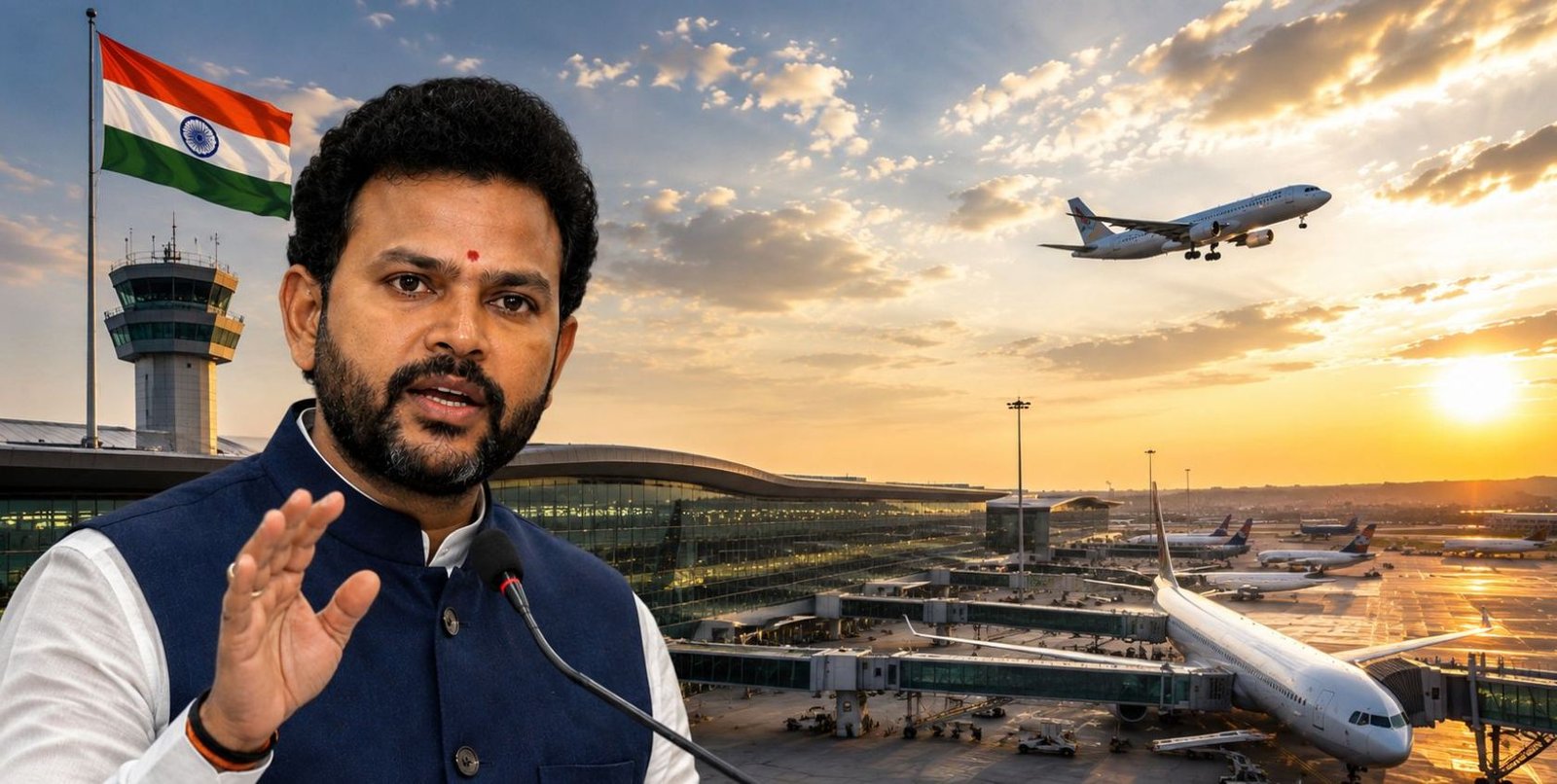
India is preparing for a major transformation in its aviation sector. Union Civil Aviation Minister Ram Mohan Naidu recently announced that the country plans to build 100 new airports over the next decade with an investment of approximately ₹30,000 crore under the government's regional connectivity initiative, UDAN.
This ambitious plan reflects India's growing demand for air travel and its vision of making aviation accessible to people across the country. The announcement comes at a time when India is witnessing rapid growth in passenger traffic, infrastructure development, and economic activity linked to aviation.
The proposed airport expansion will be driven by the Modified UDAN (Ude Desh ka Aam Nagrik) scheme, which aims to connect underserved and remote regions with the national air transport network. The Union Cabinet has approved the continuation of the scheme for ten years, from FY 2026-27 to FY 2035-36, with an outlay of about ₹28,840 crore.
According to the minister, the demand for airports is no longer confined to metropolitan cities. Residents of Tier-2 and Tier-3 cities, remote regions, Himalayan areas, and island territories such as Lakshadweep and the Andaman & Nicobar Islands are increasingly seeking better air connectivity.
Also Read: Two Indian Airports Named Among the World's Most Beautiful Airports 2026
India's aviation infrastructure has already expanded significantly over the past decade. Ram Mohan Naidu highlighted that the number of airports in the country has increased from 74 in 2014 to 166 at present. He noted that, on average, a new airport or airport terminal has been completed every 40 days during the last 12 years.
The planned addition of 100 airports will further accelerate this growth and position India among the world's fastest-expanding aviation markets. The investment is expected to enhance connectivity, reduce travel time, and improve access to economic opportunities for millions of citizens.
The development of new airports is expected to generate substantial economic benefits. Improved air connectivity will encourage tourism, attract investments, create employment opportunities, and boost local businesses in emerging regions. Experts believe that better access to Tier-2 and Tier-3 cities could unlock new growth corridors and diversify India's tourism landscape beyond traditional destinations.
Airports often act as catalysts for regional development by encouraging infrastructure upgrades, industrial growth, and increased trade. The government's investment is therefore expected to have a multiplier effect on the broader economy.
Beyond building airports, the government is also focusing on improving connectivity between them. The introduction of the "hub-and-spoke" model, already operational in cities such as Varanasi, Amritsar, and Ahmedabad, aims to seamlessly connect passengers from smaller cities to international destinations through major aviation hubs.
This strategy aligns with India's broader goal of becoming a global aviation hub, offering efficient domestic and international travel options while supporting the country's economic ambitions.
Conclusion
The announcement to build 100 new airports with an investment of ₹30,000 crore marks a significant milestone in India's aviation journey. By expanding regional connectivity, supporting economic growth, and improving access to air travel, the initiative has the potential to reshape the country's transportation landscape.
As India continues to modernize its aviation infrastructure, the next decade could witness unprecedented connectivity and development across all corners of the nation.

Recent Posts
Noida Airport Renamed as Narendra Modi International Airport After UP Cabinet Approval

Elon Musk Questions India’s Starlink Delay, Asks: “Is Ambani the Real Boss of India?”

Hidden Waterfalls to Discover in Meghalaya

The Simple Backpack Habit That Makes Trekking Easier

Gautam Adani Reclaims India’s Richest Person Title, Surpasses Mukesh Ambani

Semicon 2.0: India's ₹1.27 Lakh Crore Semiconductor Expansion Plan

What's the Best eSIM for India? Comparing Providers
India to Build 100 Airports in the Next 10 Years with ₹30,000 Crore Investment

Serengeti Safari & Kilimanjaro Climbing: The Complete Tanzania Adventure Guide for Choosing Routes, Costs, Seasons and Safari Experiences