India to Enforce SIM-Binding Rules for Messaging Apps From January 1, 2027
India to Enforce SIM-Binding Rules for Messaging Apps From January 1, 2027
Posted on: 23 October 2026 | Published by: Tarundeep | Category: News
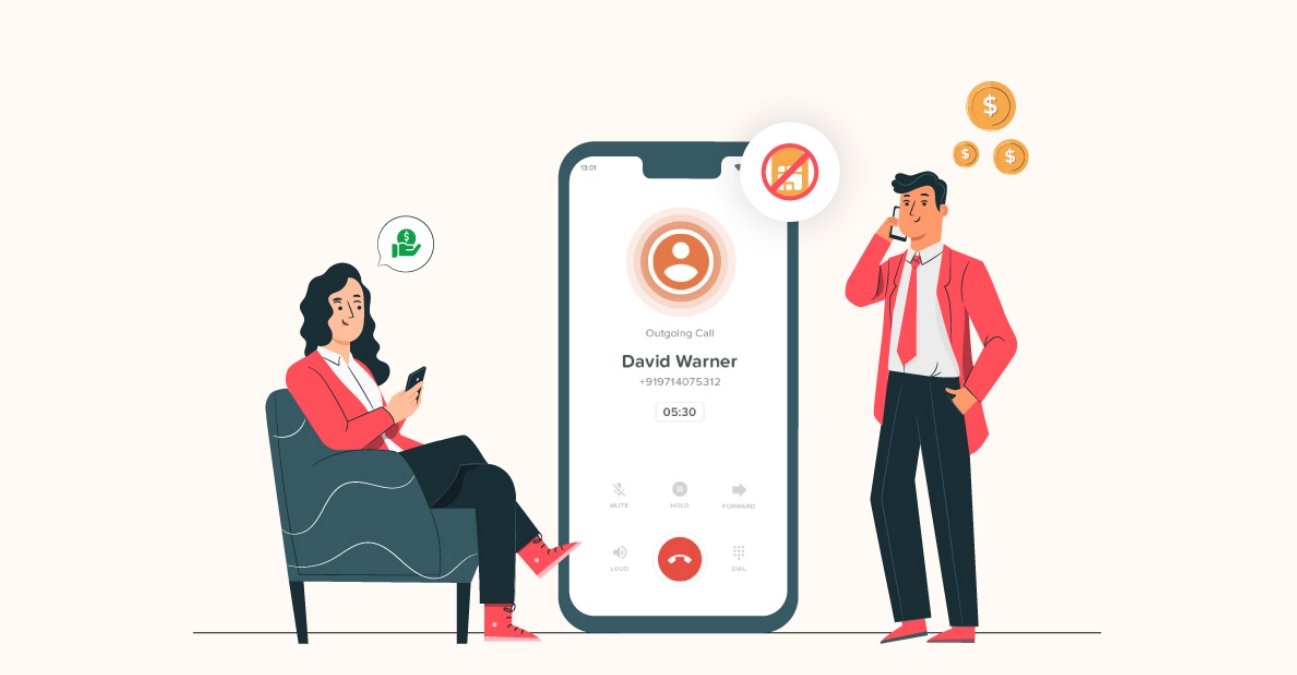
India is set to implement new SIM-binding requirements for several messaging and communication apps from January 1, 2027, following a compliance deadline of December 31, 2026 set by the Department of Telecommunications (DoT). Under the rules, platforms such as WhatsApp, Telegram, Signal and other covered services will be required to keep user accounts linked to the registered SIM card used during account verification.
The move is part of the government's broader effort to combat cyber fraud, identity imperonation, phishing operations, and scams that misuse Indian mobile numbers.
What Are the New SIM-Binding Rules?
Currently, most messaging apps verify a user's moile number through a one-time SMS code during registration. After verification, many services continue to work even if the SIM card is removed or inactive.
Under the new framework, messaging platforms covered by the DoT directive will need to nsure that accounts remain associated with an active, registered SIM card present on the user's device. If the registered SIM is removed, deactivated, or replaced, service access may be restricted depending on how individual platforms implement the requirements.
The Ministry of Communications and the DT argue that fraudsters have exploited the gap between initial phone-number verification and ongoing account usage. Criminals can register accounts tied to Indian mobile numbers and continue operating them remotely, including from outside the country, even when the original SIM is no longer present in the device.
According to government statements cited by multiple reports, the policy is intended to iprove traceability, reduce misuse of telecom identifiers, and help curb cybercrime, including impersonation scams and so-called "digital arrest" frauds.
Which Apps Could Be Affected?
Reports indicate that the rules apply to several communcation and messaging services, including:
- Telegram
- Signal
- JioChat
- ShareChat
- Josh
- Arattai
Some reports note that Snapchat was originally included in earlier directions but may receive an exemption, although official confirmation remains pending.
The exact user experience will depend on how individual platforms mplement compliance measures. However, users who:
- Access messaging apps primarily over Wi‑Fi without the registered SIM installed,
- Frequently swap SIM cards,
- Use accounts across multiple devices,
- Rely heavily on linked desktop, tablet, or web sessions,
could see changes to authentication and account access requirements.
Several reports suggest that messaging platforms may need to periodically verify the presnce of the registered SIM card to maintain account access.
The underlying directive was issued under the Telecom Cyber Seurity framework in late 2025. After requests from technology companies for additional implementation time, the DoT extended the compliance deadline to December 31, 2026. Enforcement is expected to begin on January 1, 2027.
While the broad policy direction is now public, some operationaldetails have not yet been fully clarified, including:
- How frequently apps must verify SIM presence.
- How eSIM users will be affected.
- The treatment of linked devices such as PCs and tablets.
- Whether any additional exemptions will be granted to specific platforms.
As implementation approaches, messaging providers are expected to publish platform-specifc guidance for users.

Recent Posts

10 Best Salons and Beauty Parlours in Mohali for Hair, Makeup and Grooming

Goa's Palolem Beach Named Asia’s Best, Ranks 6th in Global Beach Index 2026
Delhi Air Quality Deteriorates After Diwali, Several Areas Enter ‘Severe’ Pollution Category
Jio Launches ₹10,000 Prepaid Plan with 3 Years Validity and Unlimited 5G
India Relaxes Passport and Visa Rules for Select Pakistani Nationals, Refugees and Other Foreign Residents

Delhi to Resume Tethered Hot-Air Balloon Rides at Baansera Park from November 14
India to Enforce SIM-Binding Rules for Messaging Apps From January 1, 2027

Why the CJP Protest Struggled to Gain Momentum: What Is Known So Far

10 Hottest Nightclubs Around Tito's Lane for a Perfect Goa Party Night
Noida Airport Renamed as Narendra Modi International Airport After UP Cabinet Approval