Serengeti Safari & Kilimanjaro Climbing: The Complete Tanzania Adventure Guide for Choosing Routes, Costs, Seasons and Safari Experiences
Serengeti Safari & Kilimanjaro Climbing: The Complete Tanzania Adventure Guide for Choosing Routes, Costs, Seasons and Safari Experiences
Posted on: 06 September 2026 | Published by: Paul Nelson | Category: Travel
Introduction — Serengeti Wildlife or Kilimanjaro Adventure? Why Travelers Combine Both
If you're planning a trip to Tanzania, you'll probably hit the same wall a lot of first-time visitors hit: do you spend your days chasing wildlife across the Serengeti, or do you spend them climbing toward the roof of Africa? It's not really a small decision, either. A Serengeti safari is about open plains, game drives, and watching predators work in real time. Kilimanjaro climbing is a completely different kind of trip — long trekking days, shifting ecosystems, and the physical grind of getting yourself to nearly 6,000 meters.
Plenty of travelers end up doing both, but pulling that off takes some planning around Kilimanjaro routes, timing, and how much recovery you actually need in between. Tanzania is one of the few places on earth where you can genuinely combine a serious Africa safari with a legitimate mountain expedition in one trip — you just need to know how the pieces fit together, which is exactly what this guide walks through.
Why Combine a Serengeti Safari With Kilimanjaro Climbing?
Two completely different sides of Tanzania
A safari day and a climbing day don't feel remotely alike. One has you in a 4x4 with a pair of binoculars, scanning the grass for movement. The other has you on foot, watching the landscape change from rainforest to alpine desert over the course of a week. Combining the two gives your trip a rhythm that a single-focus holiday just doesn't have — you go from sweat and altitude to sundowners and open plains, and that contrast is honestly part of the appeal.
How many days do you need?
There's no single "correct" itinerary here, and anyone who tells you otherwise is probably selling something. A shorter combination trip — a five or six day climb paired with a three or four day safari — can work if your schedule is tight. A longer version, closer to two or three weeks, lets you add a slower route up the mountain and more time in the parks. What matters more than total days is building in at least a day or two of rest between the summit push and the start of your safari. Your body will thank you.
Serengeti Safari: What Should You Actually Expect?
What makes the Serengeti different?
The Serengeti isn't just "a savanna with animals." It's an enormous stretch of grassland, kopjes, and river systems that supports one of the densest concentrations of large mammals anywhere on the planet. You'll be looking for lions, elephants, buffalo, leopards, and cheetahs, but also the smaller, less-photographed stuff that makes a game drive interesting — jackals, mongoose colonies, the occasional python draped over a branch. Where you see what depends heavily on the season, since wildlife here moves according to rain and grass, not according to a tourist's calendar. Camps and lodges range from simple tented setups to fairly luxurious permanent camps, and that choice affects your budget more than almost anything else in the trip.
Is the Great Migration guaranteed during a Serengeti safari?
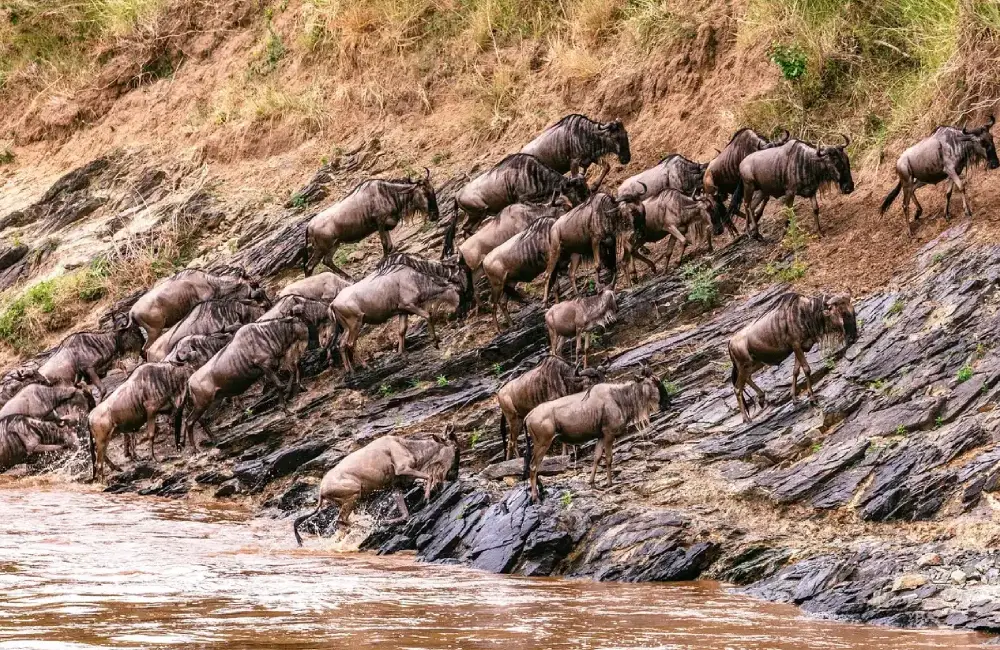
Short answer: no, and any operator promising an exact migration sighting on an exact date is stretching the truth. The migration is close to two million wildebeest and zebra moving in a rough clockwise loop through the ecosystem, following rain and fresh grazing. Calving season, predator activity near the herds, and the famous river crossings all shift a bit year to year. A good guide can put you in the right general area based on recent movement patterns, but nature doesn't run on a fixed schedule, and it's worth going in with that expectation rather than a checklist.
Kilimanjaro Climbing: What the Mountain Is Really Like
How difficult is Kilimanjaro?
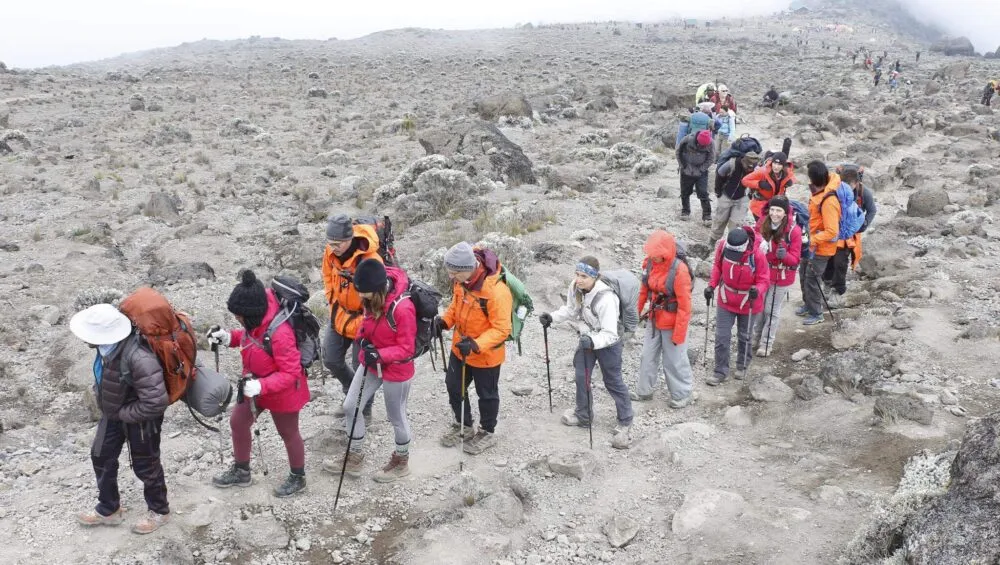
People often assume Kilimanjaro climbing is basically a long, steep walk. That's mostly true — you don't need ropes or climbing gear — but altitude is the real opponent here, not the trail itself. You're walking for hours a day, sleeping in increasingly thin air, and dealing with genuinely cold conditions on summit night regardless of how warm it was at the gate. Reasonable fitness helps, but it doesn't guarantee anything; how well your body acclimatizes matters just as much, sometimes more, than how many miles you can run at sea level.
What happens on a typical climb?
Most climbs follow a similar shape no matter which route you take. You arrive in the Kilimanjaro or Arusha area, sort your gear, and get briefed by your guide. Then it's a gradual ascent through several ecological zones — rainforest, moorland, alpine desert, and finally the barren summit zone — sleeping in huts or tents depending on the route. Summit night is the outlier: you start hiking around midnight to reach Uhuru Peak by sunrise, then descend a long way in a single day, which tends to be harder on the knees than people expect. After that, it's a shorter descent day and, ideally, some proper rest before you do anything else.
Kilimanjaro Routes Compared: Which One Fits Your Trip?
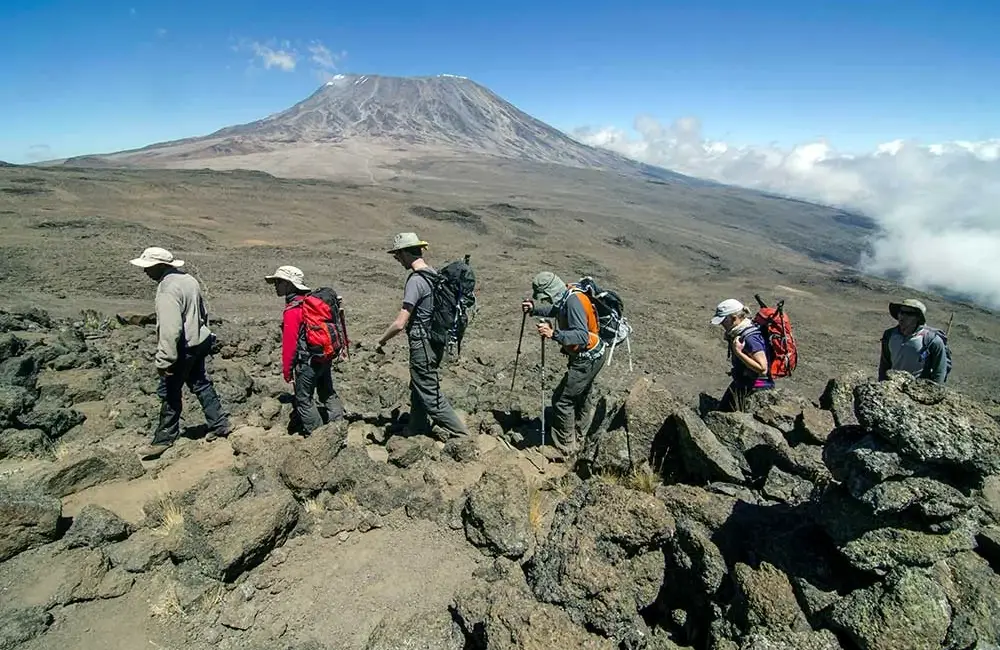
Choosing among the Kilimanjaro routes is one of the most practical decisions in the whole trip, so it deserves more than a quick glance.
Marangu Route
Marangu is the only route with hut accommodation the entire way up, which appeals to people who'd rather not deal with a tent. It also has some of the shortest itinerary options available. The catch is that the shorter versions don't give your body much time to acclimatize, which is part of why success rates on Marangu tend to lag behind longer, more gradual routes.
Machame Route
Machame is probably the most popular route on the mountain, and for good reason — it's scenic, it's flexible in terms of itinerary length, and the "climb high, sleep low" pattern built into most Machame itineraries genuinely helps with acclimatization. You're camping the whole way, which some people love and others tolerate.
Lemosho Route
Lemosho starts further west and takes longer to reach the summit, which sounds like a downside until you realize that extra time is exactly what your body needs to adjust to altitude. It's also considered one of the more scenic approaches, with less crowded early sections. If you've got the extra days in your schedule, it's worth serious consideration.
Rongai Route
Rongai comes at the mountain from the north, which means drier conditions and a noticeably different landscape than the southern routes. It's quieter too, since fewer operators run trips this way. Good option if you'd rather avoid the busier trails without sacrificing much in the way of scenery.
Northern Circuit
This is the longest route on the mountain, and it essentially circles Kilimanjaro before the final summit push. If your priority is giving yourself the best possible acclimatization window and you're not in a rush, it's arguably the strongest option — though obviously it requires more time and, usually, more budget.
None of these is objectively "the best" route. It really comes down to how many days you have, how you feel about camping versus huts, what kind of scenery you want, and how seriously you're taking acclimatization.
Best Time for a Serengeti Safari and Kilimanjaro Climbing
Best months for Kilimanjaro
The driest stretches on the mountain generally offer more stable trekking weather, though "dry" is relative — conditions can shift quickly at altitude no matter what month it is. Even in the better trekking windows, expect rain gear to earn its place in your pack.
Best time for the Serengeti
Wildlife viewing in the Serengeti shifts with the dry and green seasons. Dry months tend to concentrate animals around remaining water sources, which can make sightings easier. Green season brings lush scenery, newborn wildlife, and fewer crowds, even if the grass is a bit taller and animals a bit more spread out. As mentioned earlier, migration timing moves year to year, so treat any specific week as a rough estimate rather than a promise.
Best time for combining both
If you're trying to line up the mountain and the safari in one trip, look at where the drier Kilimanjaro window overlaps with a Serengeti season that matches what you actually want to see. There's no perfect universal month — it depends on whether you're prioritizing summit weather or wildlife density.
How Much Does a Kilimanjaro and Serengeti Trip Cost?
Kilimanjaro climbing costs
Your total cost is shaped by the route and number of days you choose, mandatory park and conservation fees, the guide and porter team supporting you, meals and mountain accommodation, transfers to and from the gate, any gear you need to rent, and whatever accommodation you book before and after the climb.
Serengeti safari costs
Similarly, safari pricing depends on how many days you're in the park, whether you're in a private vehicle or a shared group vehicle, the accommodation category you pick, park entrance fees, the season you're traveling in, transport logistics, and whether your itinerary includes additional parks alongside the Serengeti.
Why the cheapest package isn't automatically the best value
It's tempting to book whatever quote comes in lowest, but that number often means shorter acclimatization time on the mountain, less experienced guides, or safari vehicles and camps that cut corners. A well-designed itinerary with a properly trained guide and a realistic acclimatization schedule is worth paying for — both for your safety and for how much you actually enjoy the trip.
How to Combine Kilimanjaro With a Serengeti Safari
A logical order for the trip
Two sequences work reasonably well. Option A is Kilimanjaro first, then a recovery day or two, then the Serengeti safari — this lets you get the physically demanding part done while you're fresh. Option B flips that, doing the safari first, resting up, and then tackling the climb. Either way, don't schedule a game drive for the day right after you come off the mountain; your legs and your sleep debt will both object.
What else can you add?
Northern Tanzania has more than just these two headline experiences. The Ngorongoro Conservation Area, Tarangire National Park, Lake Manyara, and a stop in Arusha are all reasonable additions if you have the time. That said, trying to squeeze in every park usually just means less time in each one — it's better to pick two or three that genuinely interest you than to collect every name on the map.
What to Pack for Kilimanjaro and the Serengeti
Kilimanjaro essentials
A proper layering system matters more than any single piece of gear — base layers, insulation, and a waterproof shell. Add solid hiking boots, warm clothing for summit night specifically, a headlamp, trekking poles, a reliable water bottle or hydration system, and any personal medications along with basic first-aid supplies.
Safari essentials
Safari packing is a different story: lightweight, comfortable clothing, sun protection, binoculars, a camera, insect protection, and a small day bag for the vehicle. Try not to overpack for either leg of the trip — luggage allowances and vehicle space are often tighter than people expect.
Health, Safety and Altitude: What First-Time Travelers Should Know
Altitude sickness doesn't care how fit you are — it can affect experienced athletes just as easily as first-time trekkers, which is why gradual ascent and listening to your guide matter more than raw physical conditioning. If you have any relevant health concerns, it's worth talking to a doctor before you commit to a climb.
On the mountain, staying hydrated, pacing yourself, resting when told to, and being honest about symptoms like headaches or nausea can make a real difference. On safari, the basics still apply: follow your guide's instructions, stay in the vehicle or designated areas when required, and never approach wildlife on your own, no matter how calm an animal looks.
Choosing a Tanzania Safari and Trekking Operator
Before booking, it's worth checking a few things: does the itinerary clearly spell out the route and number of trekking days, are park and government fees included or extra, what's the accommodation actually like, how experienced are the guides, does the operator treat their porters fairly, what's the emergency plan if something goes wrong on the mountain, are airport and hotel transfers covered, and what are the cancellation and payment terms.
Reading recent, independent reviews rather than just the testimonials on a company's own site tends to give a more honest picture. Companies like Africa Joy Tours are the kind of operator you might come across while comparing options — worth including in your research alongside a handful of others so you can weigh itineraries and inclusions side by side.
Common Planning Mistakes to Avoid
A few mistakes come up again and again: picking a Kilimanjaro route purely because it's the cheapest or shortest, scheduling a safari right after an exhausting summit day, assuming the Great Migration follows a fixed calendar, underestimating how cold the summit actually gets, packing only for warm African weather and nothing else, booking without confirming what park fees and transfers are actually included, and trying to cram too many parks into a short holiday instead of enjoying fewer places properly.
Final Thoughts — Build the Tanzania Trip Around the Experience You Want
If wildlife and game drives are what excite you, build your trip around the Serengeti. If you want a physical challenge and a genuinely different kind of landscape, Kilimanjaro delivers that. If you've got the time and energy for both, combining them gives you one of the more complete adventure trips available anywhere in Africa — as long as you leave room for proper trekking days, recovery, and unhurried safari time. Don't choose a route or a package on price alone. Compare a few itineraries, ask exactly what's included, and pick an operator who can explain the logistics and safety planning clearly.
Ready to plan your Tanzania adventure? Compare Kilimanjaro routes, choose the right trekking schedule, and build your Serengeti safari around the season and wildlife experience you actually want. Get a detailed itinerary and trip quotation before you book, so you know exactly where your days, money and effort are going.
Frequently Asked Questions About Serengeti Safari and Kilimanjaro
Can I do a Serengeti safari and climb Kilimanjaro on the same Tanzania trip?
Yes, and it's a common combination — you just need enough total days to fit a proper climb, some recovery time, and a worthwhile safari without rushing either one.
How many days should I spend on Kilimanjaro?
It depends more on which route you choose and how much acclimatization time it builds in than on picking the shortest possible itinerary. Longer routes generally mean better odds of reaching the summit comfortably.
Which Kilimanjaro route is best for beginners?
There isn't one universal answer — it comes down to your available days, how much acclimatization time you want built in, whether you'd rather camp or stay in huts, and what kind of scenery appeals to you.
What is the best month for a Serengeti safari?
It depends on whether you're chasing dry-season concentrations of wildlife or green-season scenery and fewer crowds. Migration movement, in particular, shifts from year to year, so treat any month as a strong probability rather than a guarantee.
Is Kilimanjaro climbing technically difficult?
No ropes or technical climbing skills are required on the standard routes — it's a high-altitude trek, not a mountaineering expedition. The real challenge is altitude and endurance, not technical terrain.
How much does a Tanzania safari and Kilimanjaro combination cost?
It varies quite a bit based on your climbing route and number of days, which safari parks you visit, your accommodation level, transport, season, and exactly what's included in your quote — which is why comparing detailed itineraries matters more than comparing headline prices.

Recent Posts
Hidden Waterfalls to Discover in Meghalaya
The Simple Backpack Habit That Makes Trekking Easier

Gautam Adani Reclaims India’s Richest Person Title, Surpasses Mukesh Ambani

Semicon 2.0: India's ₹1.27 Lakh Crore Semiconductor Expansion Plan
What's the Best eSIM for India? Comparing Providers
India to Build 100 Airports in the Next 10 Years with ₹30,000 Crore Investment
Serengeti Safari & Kilimanjaro Climbing: The Complete Tanzania Adventure Guide for Choosing Routes, Costs, Seasons and Safari Experiences
10 Smart Ways To Save Money While Traveling In India
Discover Eastern Nepal: Nepal's Most Underrated Trekking Region