Why the CJP Protest Struggled to Gain Momentum: What Is Known So Far
Why the CJP Protest Struggled to Gain Momentum: What Is Known So Far
Posted on: 10 October 2026 | Published by: Manpreet | Category: News
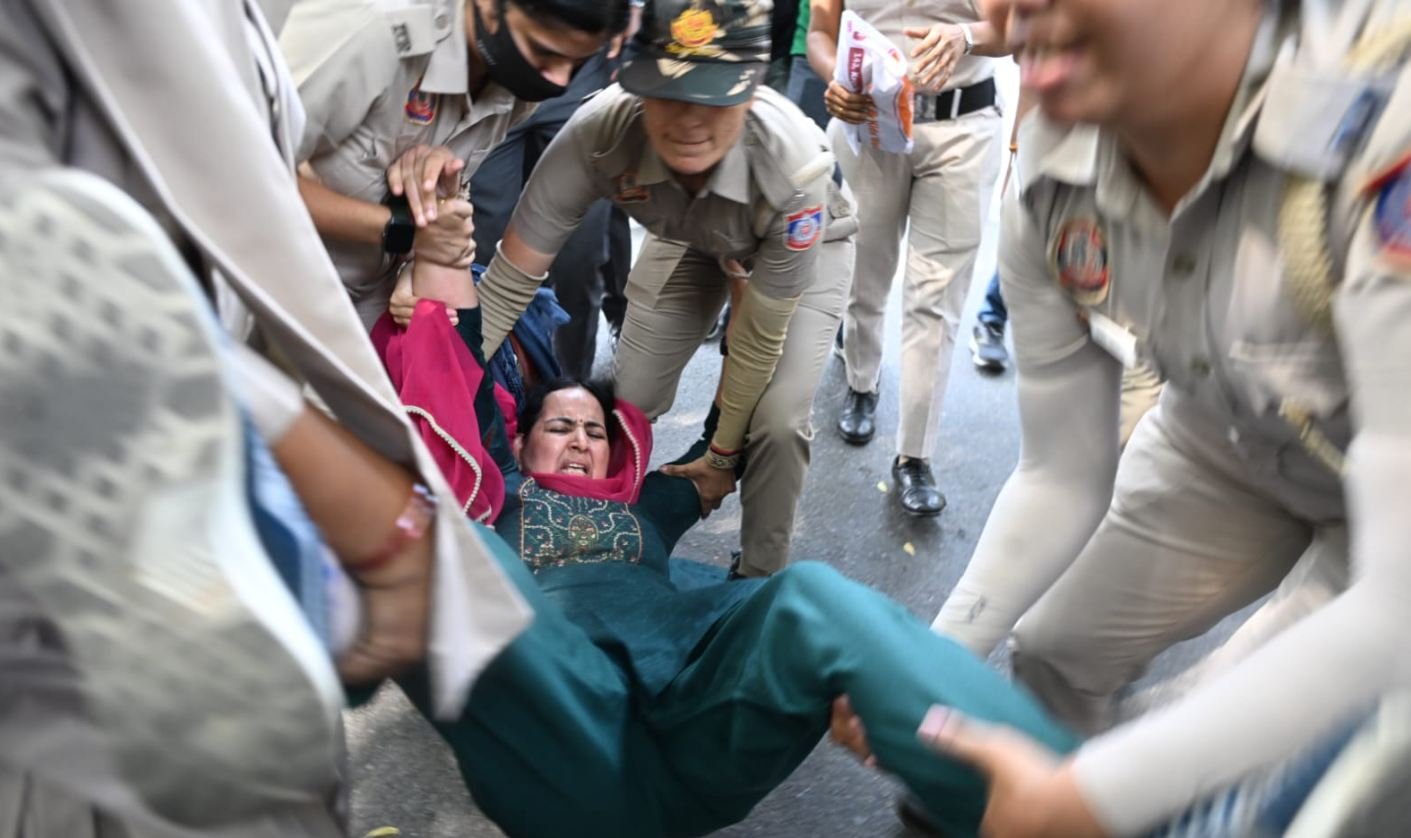
The planned protest by the Cockroach Janta Party (CJP) in New Delhi on October 10, 2026, faced major disruptions after authorities denied permission for the demonstration and detained several organizers, activists, and social media influencers associated with the campaign.
While supporters and critics have offered competing explanations for the event's apparent failure to mobilize as intended, available evidence suggests that security restrictions and preventive detentions played a central role.
What Was the Protest About?
The CJP had called for a demonstration at Jantar Mantar demanding the resignation of Chief Election Commissioner Gyanesh Kumar. The party alleged irregularities related to the Special Intensive Revision (SIR) of electoral rolls and voter registration procedures. These allegations remain claims made by the party and should not be treated as established facts.
According to multiple reports, Delhi Police denied permission for the protest, citing procedural and security concerns. Authorities imposed extensive restrictions across parts of the capital, including heavy deployment of police and paramilitary personnel, barricading, and preventive measures aimed at stopping unauthorized gatherings.
Reports stated that hundreds of protesters were detained, while several transport and mobility restrictions were introduced around key areas of Delhi.
The protest's visibility was affected by the detention of prominent figures linked to the event. Reports said that Abhijeet Dipke and other CJP leaders were detained after arriving in Delhi. Influencer Dhruv Rathee was also detained in Gurugram before he could travel to the protest venue. Content creator Kavya Karnatac, known online as "KK Create," was among those reportedly detained.
Why Did the Protest Appear to Fail?
Several explanations have circulated online, including claims about public sentiment, youth political preferences, the popularity of political leaders, media behavior, and the personal appeal of CJP leaders. However, there is currently no reliable evidence demonstrating that any of these factors were the primary reason for the protest's outcome.
Based on verified reporting, the most clearly documented factors were:
- The protest lacked official permission.
- Large-scale security measures restricted access to the planned venue.
- Organizers, influencers, and many supporters were detained before reaching the demonstration site.
- Authorities prevented large crowds from assembling at Jantar Mantar.
Whether broader political factors, public opinion, or organizational weaknesses also contributed remains a matter of interpretation and political debate rather than established fact.
The CJP accused the government of suppressing democratic dissent and targeting critics. Government authorities and police, meanwhile, maintained that the restrictions were linked to security and procedural considerations. Opposition parties also criticized aspects of the police response, while supporters of the government's actions argued that law and order concerns justified the measures.
The Bottom Line
Available evidence does not support a definitive conclusion that the CJP protest failed because of public rejection, youth political preferences, media attitudes, or the popularity of any political party or leader.
What is confirmed is that the event faced an extraordinary security crackdown, lacked official approval, and saw the detention of many organizers and participants before a large gathering could take place. These documented developments significantly limited the protest's ability to proceed as planned.

Recent Posts

10 Best Salons and Beauty Parlours in Mohali for Hair, Makeup and Grooming

Goa's Palolem Beach Named Asia’s Best, Ranks 6th in Global Beach Index 2026
Delhi Air Quality Deteriorates After Diwali, Several Areas Enter ‘Severe’ Pollution Category

Jio Launches ₹10,000 Prepaid Plan with 3 Years Validity and Unlimited 5G
India Relaxes Passport and Visa Rules for Select Pakistani Nationals, Refugees and Other Foreign Residents

Delhi to Resume Tethered Hot-Air Balloon Rides at Baansera Park from November 14

India to Enforce SIM-Binding Rules for Messaging Apps From January 1, 2027
Why the CJP Protest Struggled to Gain Momentum: What Is Known So Far
10 Hottest Nightclubs Around Tito's Lane for a Perfect Goa Party Night
Noida Airport Renamed as Narendra Modi International Airport After UP Cabinet Approval