
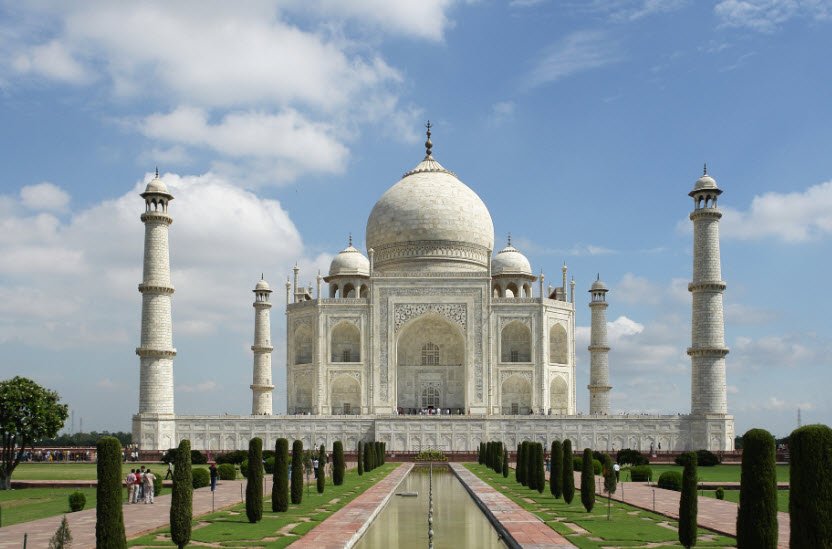
Taj Mahal
Historical Landmark
Taj Mahal
The Taj Mahal, located in Agra, Uttar Pradesh, is one of the most iconic landmarks in the world and a masterpiece of Mughal architecture. Built by Emperor Shah Jahan in memory of his beloved wife Mumtaz Mahal, the Taj Mahal is a symbol of eternal love and an epitome of architectural brilliance. The construction of this magnificent monument began in 1632 and was completed in 1653, involving thousands of artisans and craftsmen.
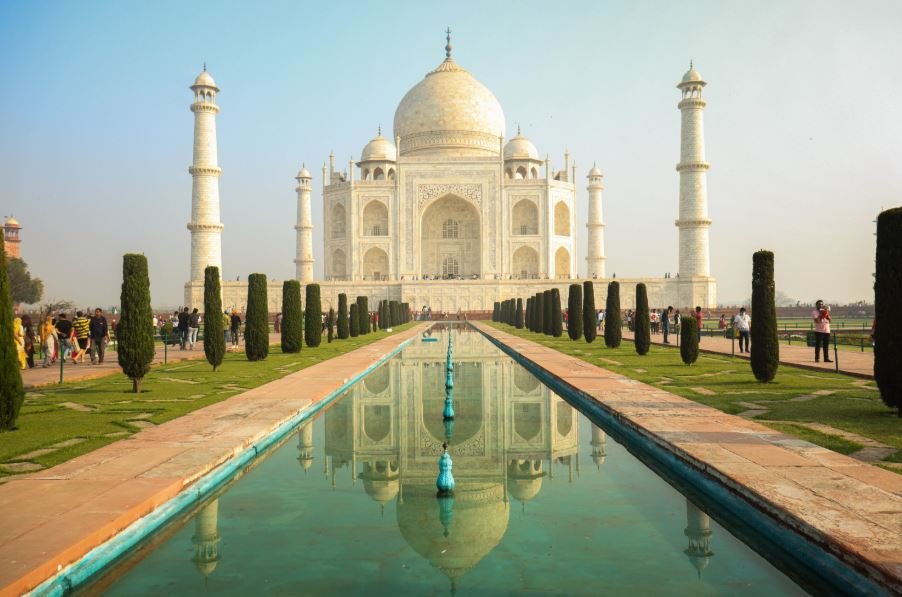
The Taj Mahal stands on the banks of the Yamuna River, surrounded by beautifully manicured gardens and reflecting pools. Its stunning white marble façade, adorned with intricate inlay work of semi-precious stones, creates a mesmerizing sight, especially during sunrise and sunset when the changing light enhances its beauty.
The central dome, flanked by four smaller domes and four minarets, is an architectural marvel, showcasing the perfect symmetry and harmony characteristic of Mughal design.
Inside the Taj Mahal, the cenotaphs of Shah Jahan and Mumtaz Mahal rest under the main dome, while their actual tombs lie in a crypt below. The walls and ceilings of the interior are adorned with delicate carvings, calligraphy, and floral motifs, adding to the ethereal beauty of the monument.
Nearby Places
Explore places near you
Hastinapur Wildlife Sanctuary
Meerut
Dream World Amusement Park
Lucknow
Picture Gallery
Lucknow
Mahaveer Swami Wildlife Sanctuary
Lalitpur
All Saints' Cathedral - Prayagraj
Allahabad
New Nice Marble Art and Handicrafts
Agra
Kuchesar Fort
Bulandshahr
Hatkant Fort, Agra
Agra
Swarn Jayanti Park
Ghaziabad
Master Chandgiram Sports Stadium (Hockey)
Etawah

FAQ (Frequently Asked Questions)
Taj Mahal is located in Agra, Uttar Pradesh.
The Taj Mahal was commissioned by Mughal Emperor Shah Jahan in 1632 in memory of his wife Mumtaz Mahal. Construction was completed around 1653, involving thousands of artisans and craftsmen.
The Taj Mahal is generally open from sunrise to sunset, approximately 30 minutes before sunrise until 30 minutes before sunset, every day except Friday.
No. The Taj Mahal is closed on Fridays for general visitors. Only Muslims attending prayers at the mosque inside the complex are permitted to enter.
Yes. Visitors must purchase an entry ticket. Separate ticket prices apply for Indian citizens, SAARC/BIMSTEC nationals, foreign tourists, and visitors wishing to enter the main mausoleum.
The Taj Mahal was built by Shah Jahan as a mausoleum for his wife Mumtaz Mahal, who died during childbirth in 1631. It stands as a timeless symbol of love and devotion.
Construction took approximately 22 years, from 1632 to 1653.
The monument was primarily constructed using white Makrana marble from Rajasthan, along with precious and semi-precious stones used for intricate inlay work.
Popular nearby attractions include: Agra Fort, Mehtab Bagh, Itmad-ud-Daulah's Tomb, Fatehpur Sikri, Akbar's Tomb (Sikandra) and Jama Masjid Agra









Leave a comment