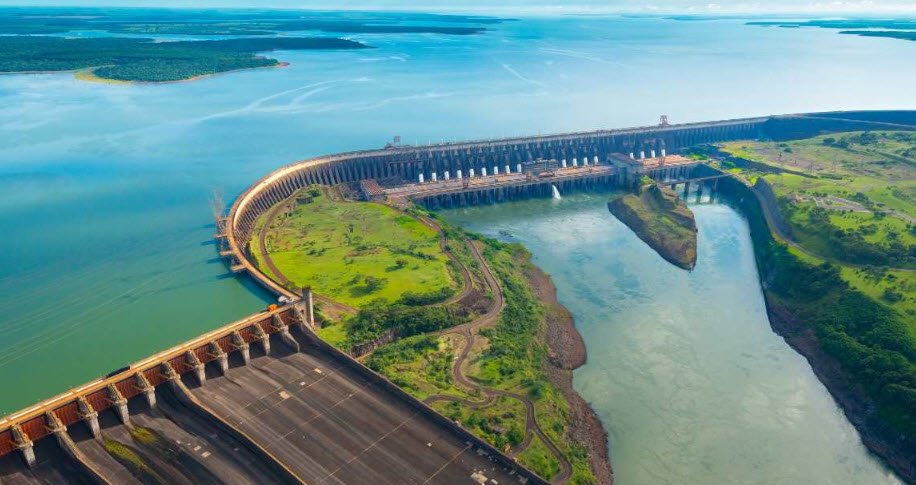
10 Things You Should Know About Indian Geography
Posted on: 07 January 2022 | Published by: Anamika | Category: India
India is a vast and diverse country with varied geographical features that make it unique. From towering mountain ranges to extensive coastlines, India's geography has influenced its climate, culture, and history.
Here are 10 interesting geographical facts about India that everyone should know:
1. Smith Island
Smith Island is the only inhabited island in the Aerial Island Group, which belongs to the North and Middle Andaman administrative area. The Andaman and Nicobar Islands are an Indian archipelago located in the Bay of Bengal, and Smith Island plays a crucial role in the local economy and culture.
Its isolated location and scenic beauty make it a unique part of India's island geography.
2. Sombrero Channel
The Sombrero Channel lies between Car Nicobar and Little Nicobar, two important islands in the Nicobar district. The Nicobar Islands, located further south of the Andaman Islands, are part of India's tropical island territories. The channel separates these two islands and plays a significant role in the maritime navigation of the region.
3. Marina Beach (Longest Beach in India)
Marina Beach, located in Chennai, Tamil Nadu, is the longest natural urban beach in India, stretching over 13 kilometers along the Bay of Bengal. It's not only a popular tourist destination but also an important cultural and recreational area for the local population.
The beach is known for its beautiful sunsets, iconic statues, and historical landmarks.
4. Malwa Plateau
The Malwa Plateau is geographically significant due to its location, enclosed by the Bundelkhand region to the east, the Aravalli Range to the north, and the Vindhyan Range to the south. This plateau covers a large part of western Madhya Pradesh and southeastern Rajasthan, contributing to the region's rich soil and agricultural productivity, particularly for crops like cotton and soybean.
5. The Ganges (India’s Longest River)
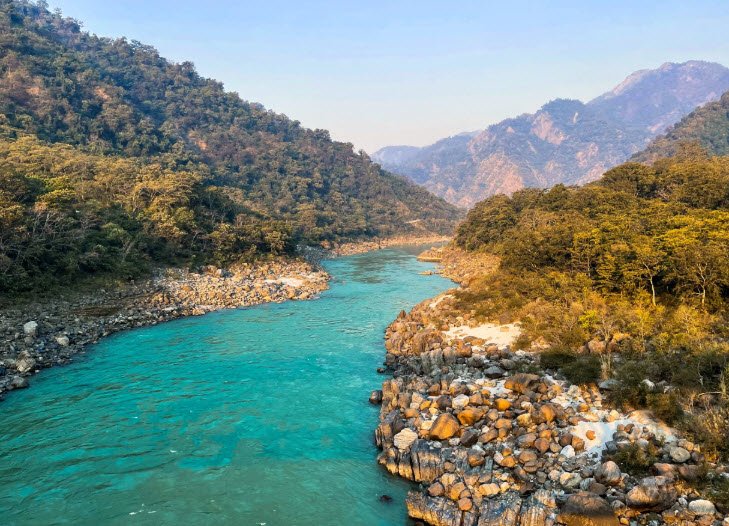
At 2,525 kilometers, the Ganges (or Ganga) River is the longest river entirely within India. It originates from the Gangotri Glacier in the Himalayas, Uttarakhand, and flows into the Bay of Bengal.
The river holds immense cultural and religious significance in India and supports millions of people with its water resources for agriculture, industry, and domestic use.
6. Gandak River
The Gandak River is a left-bank tributary of the Ganges, originating in Nepal and flowing into northern India. It joins the Ganges in the state of Bihar, contributing significantly to the water system in the region. The river supports irrigation, fishing, and other livelihoods for the people along its course.
7. Beas River and the Kullu Valley
Originating from the Beas Kund near Rohtang Pass in the Himalayas, the Beas River flows through the picturesque towns of Manali and Kullu, carving out the famous Kullu Valley. The valley is a popular tourist destination, known for its scenic landscapes and adventure sports like trekking and rafting.
The Beas River is crucial for irrigation and hydropower generation in Himachal Pradesh.
8. Tapi River and Its Tributaries
The Tapi River, which runs for 730 kilometers, is one of the major westward-flowing rivers in India, eventually draining into the Arabian Sea. One of its important tributaries is Betul, along with others like Purna, Panjhra, Patk, and Ganjal.
The river plays a significant role in the irrigation and water supply of western and central India, particularly in Madhya Pradesh, Maharashtra, and Gujarat.
9. Western Disturbances
Western disturbances are an important meteorological phenomenon in India, especially during the winter season. These are extra-tropical storms that originate over the Mediterranean Sea and move eastwards towards India, bringing rain and snowfall to the northern parts, including Jammu and Kashmir.
They help increase winter rainfall and are crucial for the rabi crop, especially wheat.
10. Tropical Cyclones and Their Pressure Dynamics
India experiences tropical cyclones, particularly in the coastal areas along the Bay of Bengal and the Arabian Sea. These cyclones are characterized by low pressure at the center and high pressure around the outer regions.
The rising warm air causes a significant drop in pressure, resulting in strong winds and heavy rains. Cyclones can cause widespread damage, but they are also part of India's unique climate system.
Conclusion
India's geographical diversity is one of its most defining features. From its vast river systems and fertile plains to its plateaus, beaches, and island groups, India's terrain supports a wide range of ecosystems and human activities.
Understanding these geographical nuances not only enriches our knowledge of the land but also highlights the country’s cultural and environmental richness.

Recent Posts

Gautam Adani Reclaims India’s Richest Person Title, Surpasses Mukesh Ambani

Semicon 2.0: India's ₹1.27 Lakh Crore Semiconductor Expansion Plan
What's the Best eSIM for India? Comparing Providers

India to Build 100 Airports in the Next 10 Years with ₹30,000 Crore Investment
Serengeti Safari & Kilimanjaro Climbing: The Complete Tanzania Adventure Guide for Choosing Routes, Costs, Seasons and Safari Experiences
10 Smart Ways To Save Money While Traveling In India

Discover Eastern Nepal: Nepal's Most Underrated Trekking Region
Everest Three High Pass Trek vs Gokyo Lake Trek: Route, Difficulty, Cost & Choosing a Trekking Company in Nepal
India Plans to Build World’s Highest Cricket Stadium in Ladakh at 11,800 Feet