Food on Nepal Treks: What to Expect Along the Trail
Posted on: 26 June 2026 | Published by: Paul Nelson | Category: Travel
Food on Nepal treks is simple, repetitive, and exactly what your body needs. You won’t have a lot of variety, but you will eat well enough to keep going every day.
During the treks in Nepal, you will be mostly eating in teahouses. Another important reality is that you do not really choose restaurants on a trek. Rather, you eat wherever you stop during the hike.
Teahouses are small lodges that cook food for trekkers. The same place you sleep is usually where you eat. By evening, everyone gathers in the dining room, mostly because it’s the only warm place.
Menus look almost the same everywhere. That’s normal. Everything has to be carried up the trail, so options stay limited.
Why Dal Bhat Becomes the Default
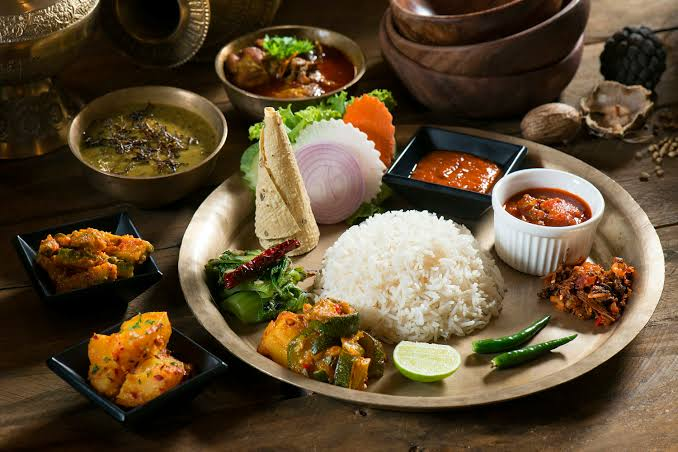
Dal bhat is the main meal you will come across on a Nepal trek.
It’s a simple plate made up of rice, lentil soup, a vegetable curry, and a small portion of pickle. This meal is designed to be filling and balanced.
One thing that stands out is that many teahouses offer free extra servings, so you can eat as much as you need. That matters because trekking involves long hours of walking, often uphill, where your body needs steady energy rather than heavy or greasy food.
On the remote Manaslu trekking trail and others, food options are more limited because everything has to be carried into the mountains. In those areas, dal bhat is often the most dependable and safest meal available, and it naturally becomes part of your daily routine.
Even the trekking guides at Radiant Treks often point trekkers toward dal bhat on longer walking days, mostly because it is filling, familiar, and easy to find even when menu choices become limited higher up.
This is why dal bhat becomes the most common choice. It’s not about taste alone—it’s about reliability. You know what you are getting, and you know it will keep you going.
Morning Meals on the Trail
Breakfast on a Nepal trek is usually simple and focused on giving you enough energy to start walking.
You won’t find large or elaborate breakfasts. Instead, you will usually go for something quick and warm. They can include:
- Eggs (boiled, omelet, or some other form)
- Porridge
- Tibetan bread with jam or honey
- Pancakes
- Tea or coffee
At first, you may feel like this option is simple and limited. But after a few days, you naturally stick to the same thing. It’s less about preference and more about what feels right before a long walk. They are quick to prepare, easy to digest, and suitable for cold mountain mornings.
Since trekking days often begin early, most people prefer something warm and filling rather than experimenting with different foods. After a few days, you will likely settle into one or two options that feel comfortable before heading out for several hours of walking.
What You’ll Usually Eat for Lunch
You take lunch during the trek, usually at a teahouse along the trail. Unlike regular travel, you don’t plan lunch—you simply stop at a place on the way, eat, and continue walking. Because of these factors, meals are kept simple and quick to prepare.
Common lunch options include:
- Fried rice
- Noodles
- Pasta
- Soup
- Momos (dumplings), in some places
The purpose of lunch is to give you enough energy to continue walking without feeling too heavy. Meals are filling, but not overly large. You will also notice garlic soup on many menus. Locals often recommend it for high altitude, although it is not a medical treatment. Many trekkers still choose it because it is warm, light, and easy to eat during the day.
Dinner After a Day’s Walk
Dinner is the meal you really wait for on a Nepal trek. By the time you reach your stop for the night, you are usually exhausted, a bit cold, and just ready to sit down. Getting a hot plate of food at that point feels less like a routine and more like a reward.
The options won’t surprise you. It is usually the same things you have been seeing all day:
- Dal bhat
- Noodle soup (like thukpa)
- Pasta
- Potato dishes
Most people go for dal bhat again in the evening. It's not exciting, but it fills you up and prepares you for tomorrow's trek.
The dining room is where everyone ends up spending time after dinner. Most people just sit near the stove for a bit—some talk, some don’t. After a long day, you eat, sit for a while, and then go to bed.
Snacks You’ll Rely On Along the Way
Snacks become important during long walking days, especially between meals. You can buy snacks along the trail, but options are limited, and prices increase as you go higher. Common items include:
- Chocolate bars
- Biscuits
- Instant noodles
Because of this, many trekkers bring snacks from Kathmandu or Pokhara at the start of the trek.
For drinks, you will mostly have:
- Tea (black, milk, ginger, or lemon)
- Coffee (usually instant)
- Hot water
Even in cold weather, staying hydrated is important, so you will find yourself drinking regularly throughout the day.
How Food Changes as You Go Higher
As you go higher, the food options slowly start to shrink. You notice it step by step. The menus get shorter, things cost more, and fresh items become less common. That’s mainly because everything has to be carried up the trail, so each place can only stock a certain amount.
You’ll see:
- Fewer choices
- Higher prices
- Less fresh food
Most people avoid eating meat at higher altitudes because it has been carried for a long time and isn’t worth the risk. Many trekkers switch to vegetarian meals without giving it much thought.
Even then, you still get a hot meal at the end of the day. And after hours of walking, that’s what matters.
How Eating Becomes Part of the Trek
After a few days, you stop thinking too much about food - it just fits into the day.
You wake up, eat something, start walking, stop for lunch somewhere along the trail, walk again, and then eat once you reach your stop for the night. It’s the same pattern every day, and you become used to it quickly.
At first, you might notice the limited choices. You stop caring after a while. You eat what’s there, and it’s enough to keep you going.
That food routine becomes part of the trekking experience after a few days. You eat what is available, and most of the time, it is enough to keep the day moving.
Final Thoughts
Food on a Nepal trek isn’t something you think about much at the start, but it quickly becomes part of how your day works. The food options don’t change much, and at first, that stands out. After a few days, it doesn’t matter. You eat what is available there, and it keeps you going. By the end of the trek, you won’t remember specific meals, but you’ll remember that there was always something warm waiting when you arrived.

Recent Posts

Gautam Adani Reclaims India’s Richest Person Title, Surpasses Mukesh Ambani

Semicon 2.0: India's ₹1.27 Lakh Crore Semiconductor Expansion Plan
What's the Best eSIM for India? Comparing Providers
India to Build 100 Airports in the Next 10 Years with ₹30,000 Crore Investment
Serengeti Safari & Kilimanjaro Climbing: The Complete Tanzania Adventure Guide for Choosing Routes, Costs, Seasons and Safari Experiences
10 Smart Ways To Save Money While Traveling In India
Discover Eastern Nepal: Nepal's Most Underrated Trekking Region
Everest Three High Pass Trek vs Gokyo Lake Trek: Route, Difficulty, Cost & Choosing a Trekking Company in Nepal
India Plans to Build World’s Highest Cricket Stadium in Ladakh at 11,800 Feet