Top 6 India’s Most Expensive Cities to Visit
Posted on: 25 February 2025 | Published by: Elison | Category: India
India is known for its diversity, rich heritage, and affordability. However, some cities in the country can be quite expensive to visit. These cities are bustling hubs of commerce, tourism, and luxury, making them costly for travelers. But don’t worry—there are many ways to explore these destinations on a budget!
In this article, we will explore India’s most expensive cities and offer practical tips on how to save money while traveling.
1. Mumbai – The City of Dreams
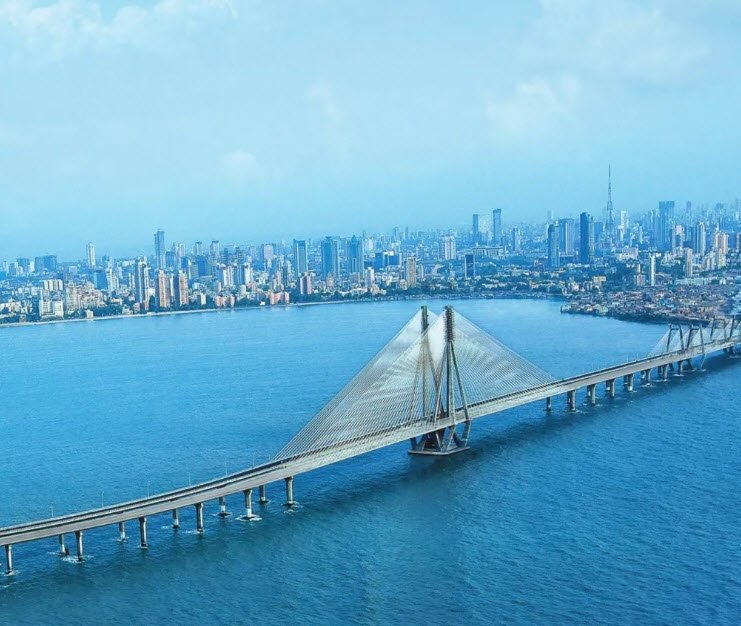
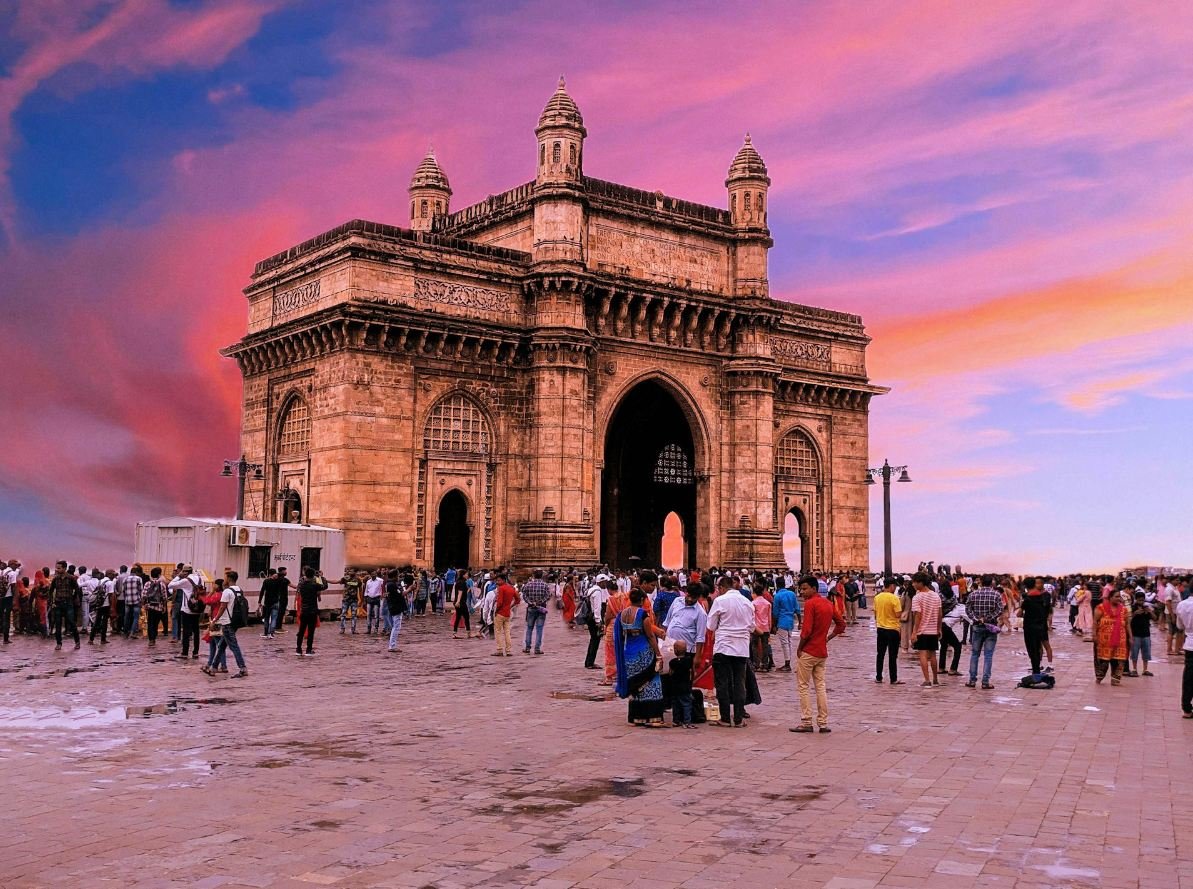
Mumbai, the financial capital of India, is one of the most expensive cities in the country. Known for Bollywood, high-end shopping, and luxury hotels, it can be costly for travelers. Accommodation, food, and transport can quickly add up, especially in popular areas like South Mumbai.
Budget Travel Tips for Mumbai:
- Use local trains and BEST buses instead of cabs.
- Stay in budget-friendly hostels or guesthouses in areas like Andheri or Bandra.
- Eat at local street stalls and small eateries instead of high-end restaurants.
- Visit free attractions like Marine Drive, Juhu Beach, and Gateway of India.
2. Delhi – The Heart of India
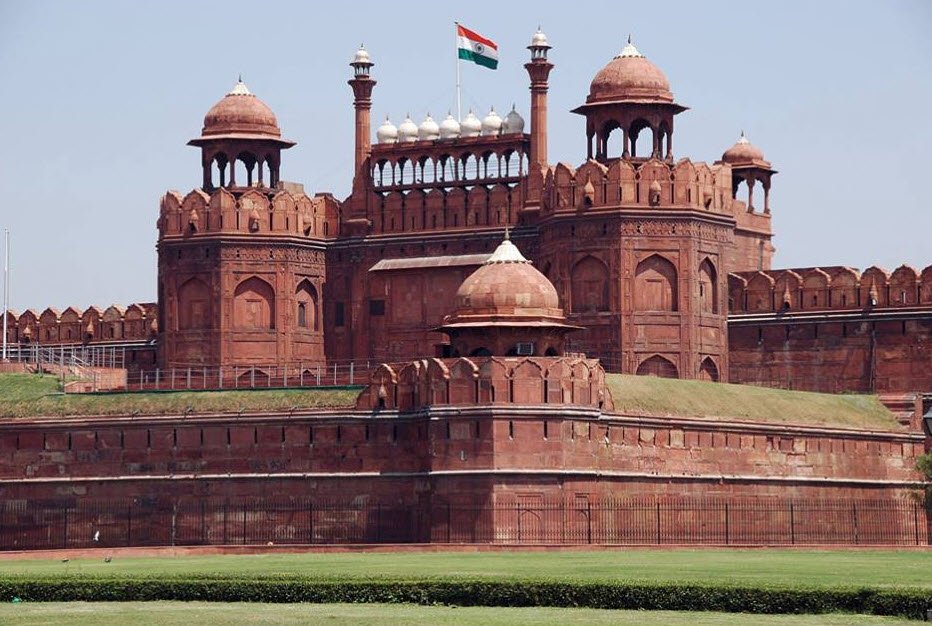
As the capital city, Delhi is both a historical and modern metropolis. The cost of living is high, especially in prime locations like Connaught Place and South Delhi. Dining, sightseeing, and shopping can be expensive for tourists.
Budget Travel Tips for Delhi:
- Use the Delhi Metro, which is affordable and well-connected.
- Explore street markets like Sarojini Nagar and Janpath for budget shopping.
- Visit free or low-cost attractions like India Gate, Humayun’s Tomb, and Lodhi Garden.
- Stay in budget hotels or hostels in Paharganj or Karol Bagh.
3. Bengaluru – The Silicon Valley of India
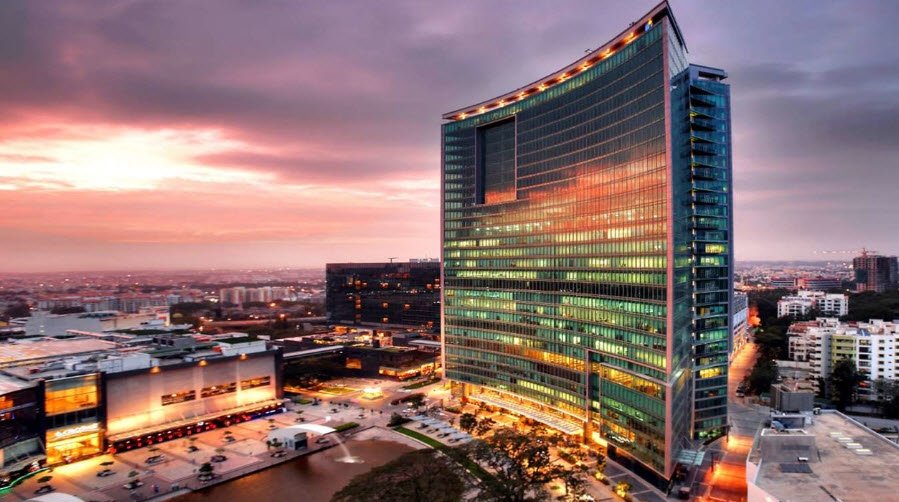
Bengaluru, a hub for technology and startups, has a high cost of living. Dining, transportation, and accommodation in prime locations like Indiranagar and Koramangala can be expensive.
Budget Travel Tips for Bengaluru:
- Use public transport like BMTC buses and metro instead of private cabs.
- Dine at small South Indian eateries rather than expensive cafes.
- Visit free attractions like Cubbon Park, Lalbagh Botanical Garden, and Bangalore Palace.
- Opt for budget hostels or Airbnb in affordable areas like Yelahanka or Jayanagar.
4. Chennai – The Gateway to South India
Chennai is a cultural and economic hub of South India, with expensive hotels and dining options, particularly in areas like Nungambakkam and T. Nagar.
Budget Travel Tips for Chennai:
- Use local buses and suburban trains to get around cheaply.
- Enjoy delicious South Indian meals at budget eateries.
- Visit free attractions like Marina Beach, Kapaleeshwarar Temple, and Santhome Basilica.
- Stay in budget accommodations near Egmore or Central Railway Station.

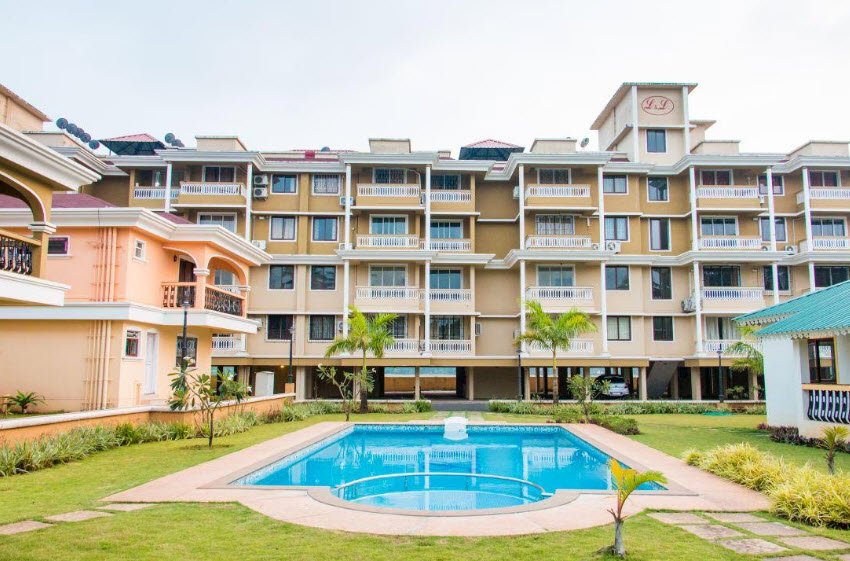
5. Goa – The Beach Paradise
Goa, known for its beaches and nightlife, can be quite expensive, especially during peak tourist seasons. Luxury resorts, high-end restaurants, and adventure sports can take a toll on your budget.
Budget Travel Tips for Goa:
- Visit during the off-season (May to September) for lower rates.
- Stay in budget guesthouses or beach shacks in less crowded areas like South Goa.
- Rent a scooter instead of hiring a taxi.
- Eat at local Goan shacks instead of fine-dining restaurants.
6. Hyderabad – The City of Pearls
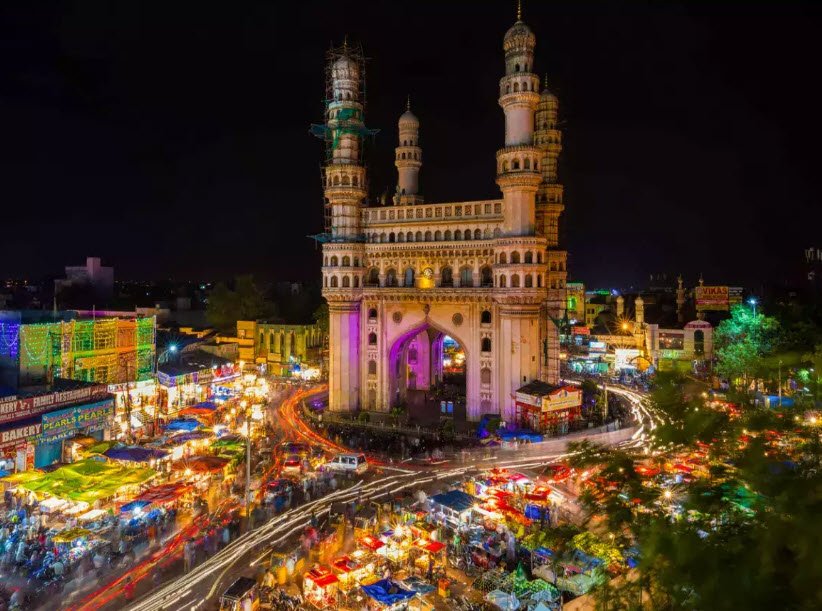
Hyderabad is a blend of history and modernity, but certain areas like Banjara Hills and Jubilee Hills can be expensive.
Budget Travel Tips for Hyderabad:
- Use public transport like TSRTC buses and the metro.
- Eat at local eateries like Paradise Biryani instead of luxury restaurants.
- Visit free attractions like Charminar, Golconda Fort, and Hussain Sagar Lake.
- Stay in budget hotels near Secunderabad or Abids.
General Tips for Traveling on a Budget in India’s Expensive Cities
Regardless of which city you visit, here are some general budget-friendly tips:
1. Travel During Off-Peak Seasons
Hotel and flight prices are significantly lower during off-peak seasons. Avoid traveling during festivals and holiday seasons to save money.
2. Use Public Transport
Local buses, metros, and trains are much cheaper than taxis or ride-hailing services like Uber and Ola. Walking or renting a bike can also help cut costs.
3. Stay in Budget Accommodations
Instead of luxury hotels, opt for budget hotels, hostels, or Airbnb. Many budget accommodations provide clean and comfortable stays at a fraction of the price.
4. Eat Like a Local
Street food and small local restaurants offer delicious and affordable meals. Try regional specialties from local stalls instead of dining in expensive restaurants.
5. Plan Free or Low-Cost Activities
Many cities have beautiful parks, beaches, temples, and historical sites that have minimal or no entry fees. Research and plan your itinerary around free attractions.
6. Bargain While Shopping
When shopping at street markets, bargaining is common in India. Don’t hesitate to negotiate prices to get the best deals.
7. Use Travel Passes and Discounts
Some cities offer travel passes for unlimited metro or bus rides at a discounted price. Additionally, student IDs and group bookings can help you get discounts on entry tickets.
8. Book in Advance
Flights, trains, and accommodations tend to be cheaper when booked in advance. Last-minute bookings can be costly, especially in expensive cities.
9. Avoid Expensive Tourist Traps
Some attractions or activities may be overpriced just because they are popular among tourists. Look for alternative experiences that offer better value for money.
Conclusion
While these cities in India are among the most expensive to visit, it is still possible to explore them on a budget. With careful planning, smart choices, and a little flexibility, you can experience the best of Mumbai, Delhi, Bengaluru, and other costly cities without spending a fortune.
Travel smart, enjoy local experiences, and make unforgettable memories without breaking the bank!

Recent Posts

Elon Musk Questions India’s Starlink Delay, Asks: “Is Ambani the Real Boss of India?”
Hidden Waterfalls to Discover in Meghalaya
The Simple Backpack Habit That Makes Trekking Easier
Gautam Adani Reclaims India’s Richest Person Title, Surpasses Mukesh Ambani
Semicon 2.0: India's ₹1.27 Lakh Crore Semiconductor Expansion Plan
What's the Best eSIM for India? Comparing Providers
India to Build 100 Airports in the Next 10 Years with ₹30,000 Crore Investment

Serengeti Safari & Kilimanjaro Climbing: The Complete Tanzania Adventure Guide for Choosing Routes, Costs, Seasons and Safari Experiences
10 Smart Ways To Save Money While Traveling In India