
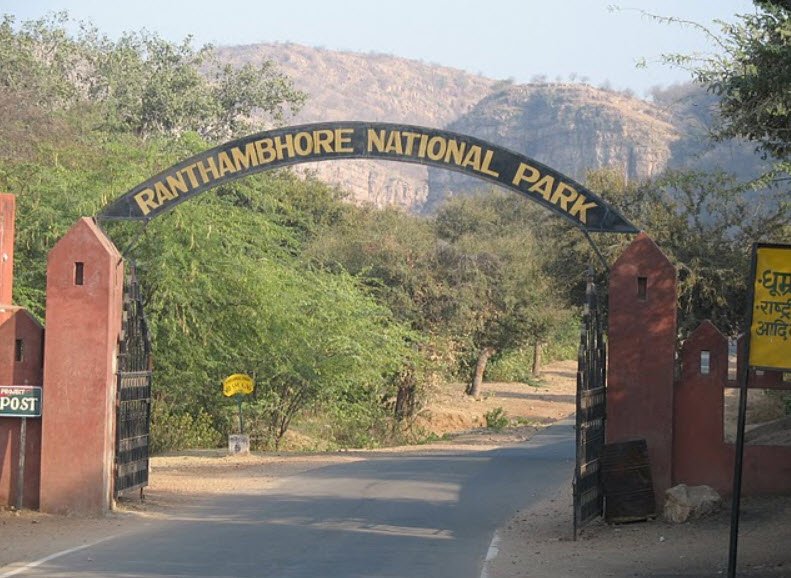
Ranthambore National Park
National Park
Ranthambore National Park
Ranthambore National Park, located near Sawai Madhopur in Rajasthan, is one of India’s most famous wildlife sanctuaries and tiger reserves, covering about 1,334 square kilometers. It is best known for its population of Royal Bengal Tigers, as well as leopards, sloth bears, striped hyenas, sambar deer, and over 300 bird species. The park features a dramatic landscape of dry deciduous forest, rocky hills, and several lakes, with the historic Ranthambore Fort overlooking the area.
Once a royal hunting ground, Ranthambore is now a popular destination for jeep and canter safaris, particularly from October to June. Key attractions include the ancient fort, Trinetra Ganesh Temple, scenic lakes like Padam Talao, and the park’s rich biodiversity, making it a top spot for wildlife photography and nature tourism.
Nearby Places
Explore places near you

FAQ (Frequently Asked Questions)
Ranthambore National Park is located in Sawai Madhopur, Rajasthan.
The best time to visit is from October to June. Wildlife sightings are generally best between April and June, while October to March offers pleasant weather.
The main tourism zones remain open from October 1 to June 30. Some buffer zones may remain accessible during the monsoon season.
There are two safaris daily—morning and afternoon. Timings vary by season and are adjusted according to sunrise and sunset.
You can book your safari online through the Rajasthan Forest Department's official booking portal or through authorized operators. Advance booking is strongly recommended.
Sawai Madhopur Railway Station is approximately 10 km from the national park entrance.
Jaipur International Airport is the nearest major airport, located about 170–180 km from Ranthambore.
Besides Bengal tigers, visitors may spot leopards, sloth bears, crocodiles, hyenas, sambar deer, nilgai, wild boars, langurs, and more than 300 bird species.
Popular nearby attractions include Ranthambore Fort, Trinetra Ganesh Temple, Padam Talao, Malik Talao, and Raj Bagh Ruins.








Leave a comment