Amul becomes first Indian FMCG company to hit Rs 1 trillion turnover
Amul becomes first Indian FMCG company to hit Rs 1 trillion turnover
Posted on: 07 April 2026 | Published by: Priya | Category: News
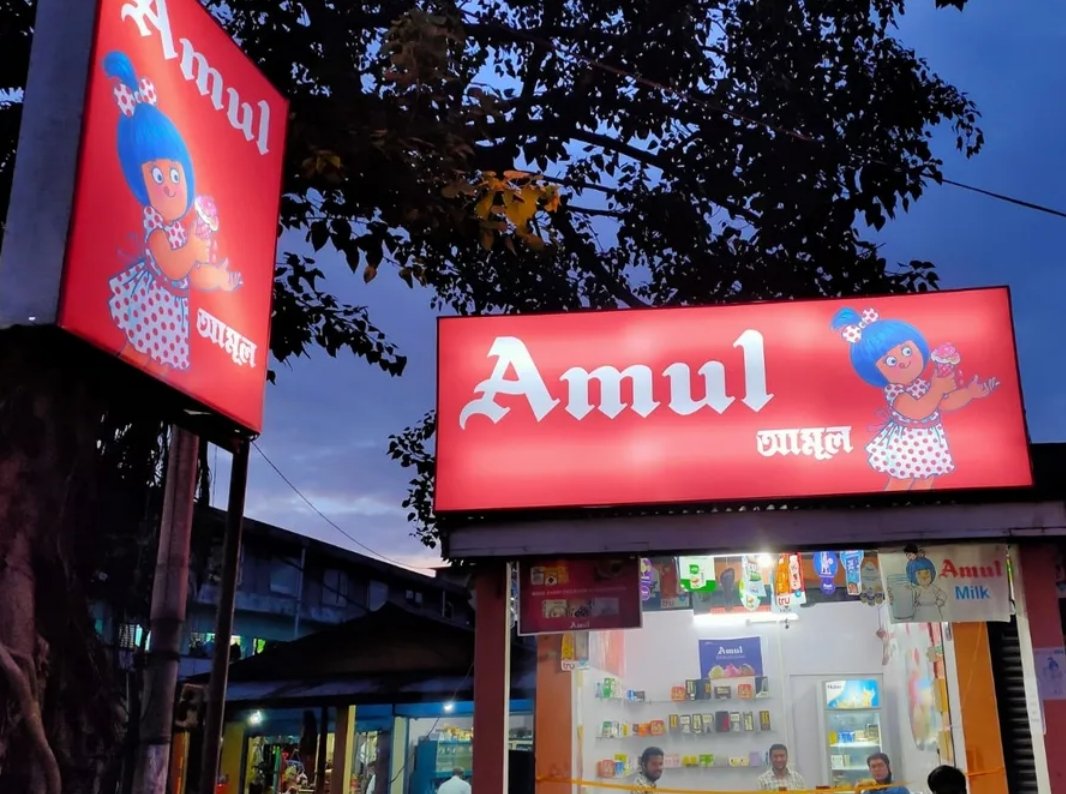
In a historic milestone for the Indian consumer goods sector, Amul (Gujarat Cooperative Milk Marketing Federation - GCMMF) has officially become the first Indian FMCG company to cross the ₹1 trillion ($12 billion) turnover mark.
Announced in April 2026, this achievement solidifies Amul’s position as the undisputed leader in India’s Fast-Moving Consumer Goods (FMCG) landscape, surpassing long-standing industry giants like Hindustan Unilever (HUL).
For the fiscal year 2025-26 (FY26), the Amul brand reported an 11% growth in total unduplicated revenue. While the federation (GCMMF) specifically recorded a sales turnover of ₹73,450 crore (up 11.4% from the previous year), the total turnover of the Amul brand including sales from member dairies breached the ₹1,00,000 crore threshold.
Amul’s journey to the "Trillion Club" wasn't accidental. It was propelled by a three-pronged strategy focusing on domestic depth, product innovation, and global hunger.
1. Massive Domestic Expansion
Amul successfully penetrated deeper into the Indian heartland, specifically targeting towns with populations as low as 5,000. By ensuring their products are available in the smallest of kirana stores, they captured the rising consumption power of rural India.
2. Diversified Product Portfolio
With over 1,200 product packs (SKUs), Amul moved beyond just milk and butter. The brand saw high double-digit growth in:
- Organic & Probiotic Range: Catering to health-conscious urban consumers.
- Protein-Rich Products: Tapping into the fitness trend with protein lassi, shakes, and curd.
- Value-Added Dairy: Products like cheese, paneer, and flavored milk remained consistent volume drivers.
3. "Amul Fresh" Goes Global
In a bold move, Amul expanded its international footprint significantly in 2025. For the first time, it launched fresh milk in the United States and Europe, catering to the large Indian diaspora and competing directly with local Western brands. Plans are currently underway to enter 10 more markets across Africa and Southeast Asia within the next year.
At the heart of this financial success is a social revolution. This milestone is a victory for the 3.6 million dairy farmers who own the brand.
Crossing the ₹1 trillion turnover is a testament to the trust of millions of consumers and the tireless hard work of our dairy farmers. The 'Amul Model' is a timeless blueprint for economic democracy. - Ashokbhai Chaudhary, Chairman, GCMMF
Unlike publicly traded companies that prioritize shareholder dividends, Amul’s cooperative structure ensures that a major portion of every rupee spent by the consumer goes back to the producer (the farmer). This reinvestment into rural infrastructure and milk procurement has created a self-sustaining cycle of growth.
Having conquered the ₹1 trillion summit, Amul’s Managing Director, Jayen Mehta, has indicated that the goal is now to double down on digital integration and sustainable farming. With the Indian FMCG market expected to keep growing at 9-11%, Amul is well-positioned to maintain its lead, proving that a "farmer-owned" institution can indeed beat global conglomerates at their own game.
How do you think Amul’s entry into the US and European fresh milk markets will affect local dairy brands in those regions?

Recent Posts
Hidden Waterfalls to Discover in Meghalaya
The Simple Backpack Habit That Makes Trekking Easier

Gautam Adani Reclaims India’s Richest Person Title, Surpasses Mukesh Ambani

Semicon 2.0: India's ₹1.27 Lakh Crore Semiconductor Expansion Plan
What's the Best eSIM for India? Comparing Providers
India to Build 100 Airports in the Next 10 Years with ₹30,000 Crore Investment
Serengeti Safari & Kilimanjaro Climbing: The Complete Tanzania Adventure Guide for Choosing Routes, Costs, Seasons and Safari Experiences
10 Smart Ways To Save Money While Traveling In India
Discover Eastern Nepal: Nepal's Most Underrated Trekking Region