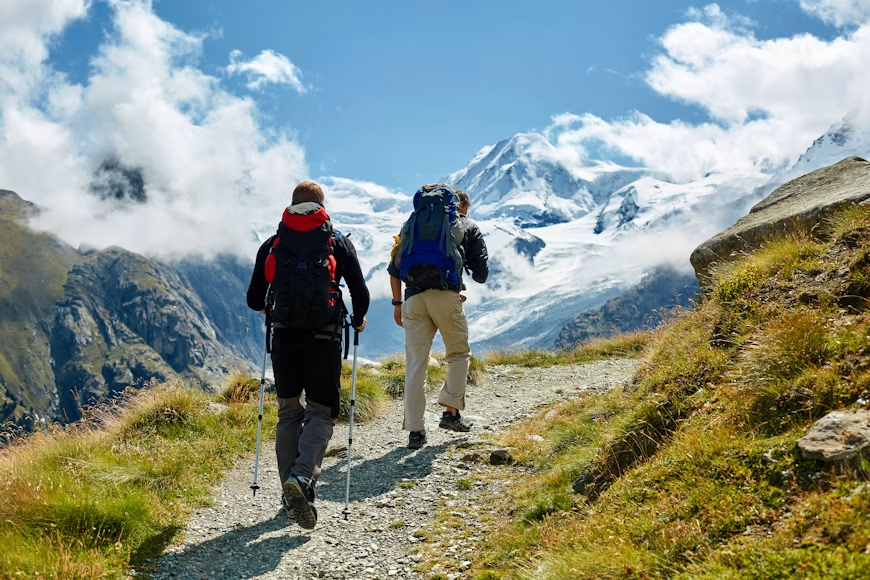
Guide and Porter Culture in Nepal Trekking
Posted on: 30 June 2026 | Published by: John William | Category: Travel
Trekking to the Himalayas in Nepal is not only about reaching mountain viewpoints. It is also about connecting to the people who make these journeys possible. Additionally, exploring their culture, traditions, and practices. That said, the most valuable figures in Nepal’s trekking industry are guides and porters. They make sure the trek is safe and enjoyable with their knowledge, experience and hard work. From navigating remote mountain trails to carrying essential supplies to the higher regions, they do it all. Likewise, guides also introduce trekkers to local cultures, traditions and lifestyles. They act as a bridge for language barriers between trekkers and the ethnic communities.
Guides provide primary care in case of Acute Mountain Sickness or other injuries. Also, they help find the safest and shortest trails during the journey. Likewise, the porters carry trekkers’ heavy trekking bags and gear along the trail. As a team, they handle the logistics, like food, accommodation, transportation, and permits. Thus, trekkers can enjoy a safe and relaxing journey to the Himalayas, knowing they have experienced individuals supporting them the entire way.
The practice of hiring a guide and porter has become an inseparable part of Nepal trekking. Moreover, in the restricted areas' journeys, like the Manaslu Circuit Trek, it is mandatory. This is to ensure the safety of the trekkers and to protect the fragile ecosystem of the Himalayas. Also, the authorities can track the movements of the trekkers and send immediate help in case of emergencies.
Roles Of Guides And Porters In Nepal Trekking
Who are guides and what do they do?
They are trained and Nepal Tourism Board (NTB) licensed individuals who are primarily responsible for trekkers' safety. Similarly, guides possess deep trail navigation knowledge. They can also handle high-altitude emergencies and make a swift decision when necessary. If the main trails are not operable due to snow accumulation or other natural disasters, they continue the journey via the safest alternate routes.
When trekking in Nepal, guides also act as a safety net for the trekkers. First, they monitor trekkers' health and are always on the lookout for initial signs of Acute Mountain Sickness. If anyone falls sick or gets injured they provide first-aid care as soon as possible. In more serious cases, they coordinate and manage emergency helicopter evacuation. Also, they make sure you have nutritious meals and comfortable accommodation.
Most importantly, guides provide tips for a safe trek and footing on the challenging terrains. They make sure of a well-paced itinerary with enough acclimatization days before or after major elevation gain. Guides have very deep insight about the culture and traditions of the trekking regions in Nepal. Thus, they provide tales and historical facts about the landmarks one visits during the trek. This takes the trek beyond the panoramic mountain views.
Exact roles of guides in Nepal Treks
- Trail navigation, including the challenging remote, rocky, and rugged terrains and high mountain passes.
- Make sure of gradual elevation gain and comfortable pacing to minimize the risks of Acute Mountain Sickness (AMS).
- Provide primary care if any trekkers fall sick during the journey. Also, monitor their health until they feel better enough to resume trekking again.
- Handle all the logistics when trekking in Nepal, like food, accommodation, transportation and permits.
- Remove the language barriers between the trekkers and the locals.
- Manage and coordinate emergency rescue operations and hospitalizations with the travel insurer in case of unforeseen circumstances.
Who are porters, and what are their roles when trekking in Nepal?
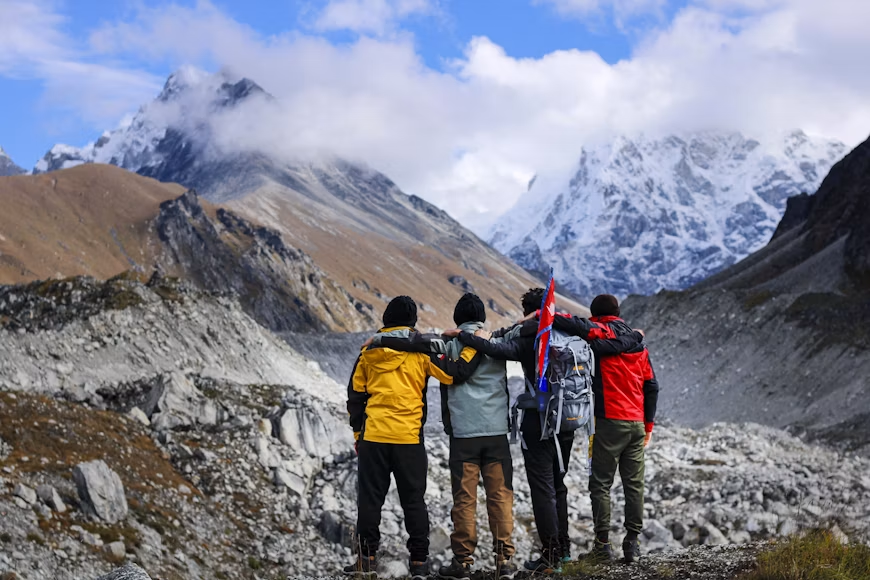
They are local individuals who are considered the backbone of the Himalayan treks. Their primary role is to transport the heavy backpacks of the trekkers along the way. Having a porter reduces physical strain, and trekkers can just enjoy the walk and appreciate the panoramic views. Additionally, it allows energy preservation for longer periods of time and minimizes the risks of AMS. They also play an important role in making sure the trails ahead are safe for trekkers and are not damaged.
As they generally walk before the entire group, they can convey the message to the guide if the trekking routes are in bad condition or unsafe. Porters can ask the teahouse owners to prepare the rooms before trekkers arrive. This especially comes in handy during the peak trekking season, when rooms get fully occupied in very little time. In case of initial and moderate signs of AMS, porters will carry you to the lower regions for safety. This is very important, as one may not always be able to descend on their own.
Most of the porters are the locals of a particular region or hail from the Himalayas. Thus, they have in-depth knowledge of the harsh weather patterns. They may be able to predict heavy rainfall or the possibility of snow. Also, porters carry deep cultural and traditional knowledge. So, along with the guide, they can also enlighten you about the tales and legends of ancient landmarks.
Exact roles of porters
- Transport heavy trekking bags and equipment.
- Check on the trail before the trekkers approach it for a safe experience.
- Help guide to provide first-aid treatment if any trekkers fall sick.
- Carry trekkers to the lower regions in the mild and moderate cases of the Acute Mountain Sickness.
- Arrange accommodations before trekkers arrive and make sure the rooms are clean and have no issues.
- Assist guides and other trekking staff with arranging the logistics along the way.
- Provide local knowledge to the trekkers.
Guide and porter safety
Most porters along the Himalayan treks carry loads of two trekkers and take about 25 kg in total. Thus, make sure to keep your backpacks under the standard limit. Avoid overloading them because it puts their safety in danger and also may slow down the entire group. Likewise, it is not mandatory to tip your guide or porter, but it is a customary practice. It is taken as a sign of appreciation for their hard work so trekkers should consider tipping about 10 to 15% of the package cost at the end of the trek.

Recent Posts

Gautam Adani Reclaims India’s Richest Person Title, Surpasses Mukesh Ambani

Semicon 2.0: India's ₹1.27 Lakh Crore Semiconductor Expansion Plan

What's the Best eSIM for India? Comparing Providers
India to Build 100 Airports in the Next 10 Years with ₹30,000 Crore Investment
Serengeti Safari & Kilimanjaro Climbing: The Complete Tanzania Adventure Guide for Choosing Routes, Costs, Seasons and Safari Experiences
10 Smart Ways To Save Money While Traveling In India
Discover Eastern Nepal: Nepal's Most Underrated Trekking Region
Everest Three High Pass Trek vs Gokyo Lake Trek: Route, Difficulty, Cost & Choosing a Trekking Company in Nepal
India Plans to Build World’s Highest Cricket Stadium in Ladakh at 11,800 Feet