Historical Forts in India That Feel Authentic and Untouched
Posted on: 05 March 2026 | Published by: Gaurav | Category: News
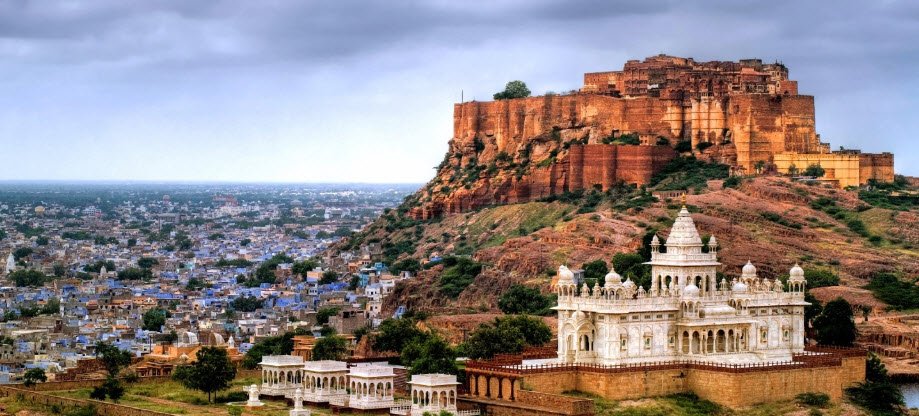
When people imagine forts in India, they envision clean courtyards, ticket booths, and guided tours with predetermined routes. Locations such as Amber and Mehrangarh are stunning, but they're also well-organised and popular. The ones that are often overlooked are forts that have a quieter atmosphere and are still in the same initial state. The swaying walls, the open spaces and fewer barriers offer an entirely different experience.
The journey to these lesser-known forts is easier than it appears. As some are near small railway stations, planning your irctc ticket booking in advance makes the journey easier and more affordable. The real change begins when you are inside the fort's complex.
Before you depart to go on your journey, confirming the status of your train's running is a smart thing to do, in particular if your fort's visit is contingent on a quick road trip from a town nearby. The slightest delay can impact the time of day, so forts should be explored when you have the time at your disposal.
Making a Plan for a Visit without rushing
To explore a fort's raw area takes time. There are a few signs detailing the fort's history. A little research beforehand can help you understand the information you observe.
Bring water and other essential supplies. The facilities inside forts are usually minimal. Early-morning or late-afternoon visits are more pleasant, especially in warmer regions.
Transportation planning is an issue. Since many forts lie far from the nearest station, monitoring the train running status helps avoid delays that could shorten your visit time. Coordination of local transport in advance minimises the risk of unpredictability.
Kumbhalgarh Fort, Rajasthan
Kumbhalgarh is famous for its massive defensive wall, which extends over 30 km and is among the longest in the world. But despite this, it's more peaceful than forts nearer to Jaipur and Jodhpur.
In the Aravalli Hills, the fort is situated at an elevation of more than 1,000 meters above sea level. The climb to the higher sections is steady and manageable. Once inside, you'll see open courtyards, temples scattered throughout and watchtowers overlooking dense forests.
Contrary to heavily curated places, the areas around Kumbhalgarh remain vast and tranquil. You can relax on the ledge of a stone and gaze out over hills, without the constant motion of tour companies.
Chitradurga Fort, Karnataka
Chitradurga Fort is located on rocky terrain in central Karnataka. The fort complex has multiple entrances, interconnected walls, and hidden passages designed to protect.
What makes it feel rough is the terrain. Massive granite boulders line the fort, merging natural rock formations with artificial walls. For a walk through the fort, you need patience and water, particularly in the warmer months.
The area is vast enough that you can walk around sections without having to deal with a lot of visitors. There aren't elaborate light shows or large commercial stalls on site, which preserves the atmosphere.
Gingee Fort, Tamil Nadu
Often referred to as the Gingee Fort, it is called the Troy of the East. Gingee Fort is located on three hills, linked with fortifications. The climb up to the citadel's main gate is made up of stone steps and open areas that are exposed to the sun.
Gingee isn't as well-maintained or modern as the tourist forts, which have a polished appearance. Some sections are partially ruined. The grass grows between the stones. The scale will become clear once you are at higher levels and look out over the plains.
The absence of large crowds allows you to travel at your own speed. You can notice small things like old watch posts and granaries instead of rushing through.
Kalinjar Fort, Uttar Pradesh
Kalinjar Fort rarely appears in the most popular travel guides. The fort is located in the Vindhya Range and houses layers of historical evidence from various Dynasties.
The road to the entrance is a climb, and the gates for entry are adorned with inscriptions and carvings that have lasted through centuries of weather. Temples and water reservoirs are located within the compound, with some still in operation.
As it has fewer visitors and is quieter, the fort appears more like an archaeological site rather than a well-maintained monument. This quietness enhances its uniqueness.
Bhujia Fort, Gujarat
Near Bhuj, located in Kutch, Bhujia Fort overlooks the dry landscapes stretching towards the skyline. The fort's walls rise on an incline, and the way up is uneven.
Restoration work has improved accessibility, but many areas are simple stone structures that do not require extensive overhaul. At the summit, one can see the town below and open space beyond.
The fort's location, especially in the cooler months, creates a sense of isolation. It's integrated into the surroundings rather than separated from modern infrastructure.
Why Certain Forts Feel Different
Forts with major forts are often heritage sites with well-planned routes and visitor services that are organized. Less well-known forts remain in their original appearance.
You can find uneven paths or faded designs, as well as the possibility of pathways leading to courtyards. These signs are not a sign of neglect on their own. They are a sign of ageing and limited commercialisation.
In many instances, local tourism numbers are much lower. According to data from the state's tourism department, small heritage sites receive only a small fraction of the visitors to the flagship monuments, resulting in a different visitor experience.
Respecting the Space
Because forts like these aren't controlled, the responsibility of visitors is paramount. Avoid climbing on fragile sections or dumping litter. Many constructed structures have withstood the weather, invasions, and centuries of evolution. Their survival today is contingent on the judicious use of tourism.
A Different Sort of Historical Experience
A fort that seems undiscovered shifts your attention. Instead of polished exhibits, you can see stone passageways formed by the passage of time. Instead of carefully curated stories, you are reliant on observation and imagination.
It is possible to stand on an observation tower and think about the function it served. It is evident how strong the walls are and how strategically the gates were placed.
The experience is quieter and more intimate.
Final Thoughts
India is home to hundreds of forts spread across plains, hills, and deserts. While the most famous ones attract deserved attention, others are hidden and undiscovered.
Visiting these less well-known locations can offer a slower experience of the past. It's not just about marking a landmark. You're walking in the remains of a structure that bears remnants of its original function.
If you are thoughtful about your plans and have sufficient time to prepare, forts can reveal a less formal, more grounded aspect of history.

Recent Posts
What's the Best eSIM for India? Comparing Providers

India to Build 100 Airports in the Next 10 Years with ₹30,000 Crore Investment
Serengeti Safari & Kilimanjaro Climbing: The Complete Tanzania Adventure Guide for Choosing Routes, Costs, Seasons and Safari Experiences
10 Smart Ways To Save Money While Traveling In India

Discover Eastern Nepal: Nepal's Most Underrated Trekking Region
Everest Three High Pass Trek vs Gokyo Lake Trek: Route, Difficulty, Cost & Choosing a Trekking Company in Nepal
India Plans to Build World’s Highest Cricket Stadium in Ladakh at 11,800 Feet

Restaurants, Warehouses, Quick Commerce Under Scanner as Maharashtra FDA Cracks Down

40+ Best Travel Credit Cards in India You Need To Know