Top 9 Deadliest Rail Accidents in India
Posted on: 06 February 2026 | Published by: Priya | Category: India
India has one of the world’s largest railway networks, carrying millions of passengers every day across vast distances. While railways remain one of the safest and most affordable modes of transport, history records several catastrophic accidents that resulted in heavy loss of life.
These tragedies exposed weaknesses in signalling, infrastructure maintenance, disaster preparedness, and security and each one became a painful lesson for the nation.
Below is an overview of some of the deadliest rail accidents in India, highlighting what happened, why it happened, and why these incidents still matter today.
- The Firozabad Rail Disaster (20 August 1995)
- Odisha Triple Train Tragedy (2 June 2023)
- Gaisal Train Collision (2 August 1999)
- Bihar River Tragedy (6 June 1981)
- Khanna Rail Collision (26 November 1998)
- Dhanushkodi Cyclone Disaster (23 December 1964)
- Indore–Patna Express Derailment (20 November 2016)
- Jnaneswari Express Sabotage (28 May 2010)
- Howrah Rajdhani Express Derailment (10 September 2002)
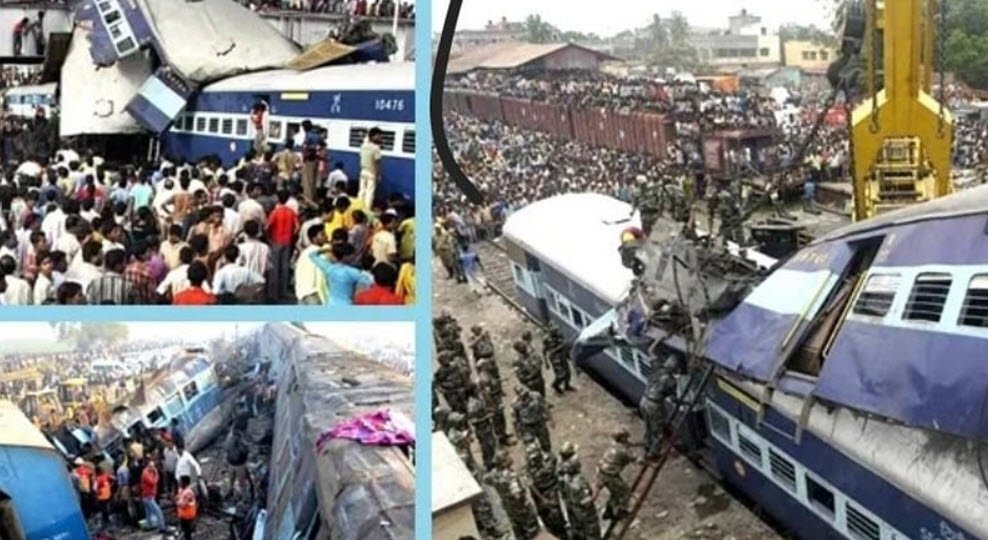
1. The Firozabad Rail Disaster (20 August 1995)
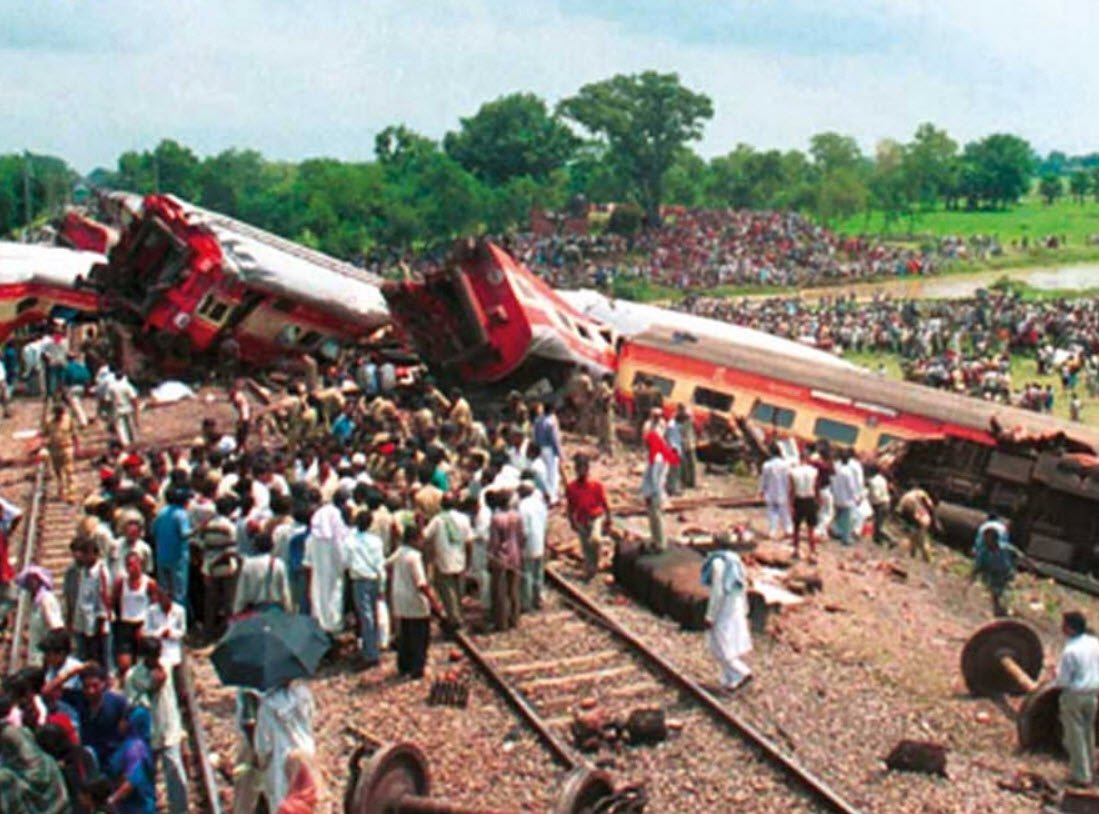
The collision between the Kalindi Express and the Purushottam Express near Firozabad, Uttar Pradesh, stands as one of the worst rail accidents in Indian history, claiming 358 lives.
The tragedy began when a nilgai (wild antelope) obstructed the tracks, forcing one train to halt. Moments later, a following train rammed into it at high speed. Poor visibility, lack of advanced warning systems, and delayed emergency response worsened the impact.
2. Odisha Triple Train Tragedy (2 June 2023)
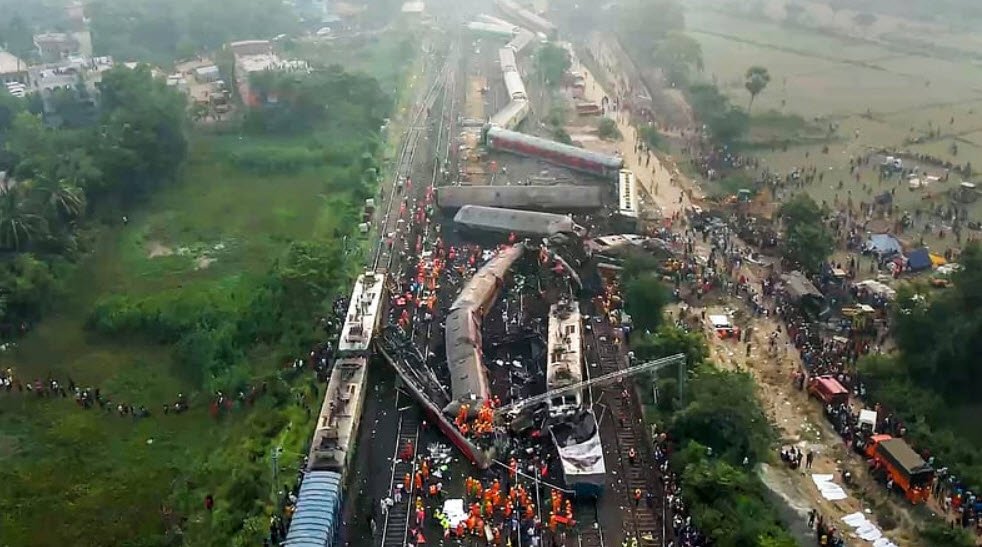
In one of the most shocking modern-era accidents, the Coromandel Express, Howrah–SMVT Bengaluru Express, and a freight train were involved in a massive collision near Bahanaga Bazar in Balasore, Odisha.
The accident killed 296 people and injured hundreds more. Investigations pointed to a signalling error, raising serious concerns about system redundancy, interlocking mechanisms, and real-time monitoring in high-density rail corridors.
3. Gaisal Train Collision (2 August 1999)
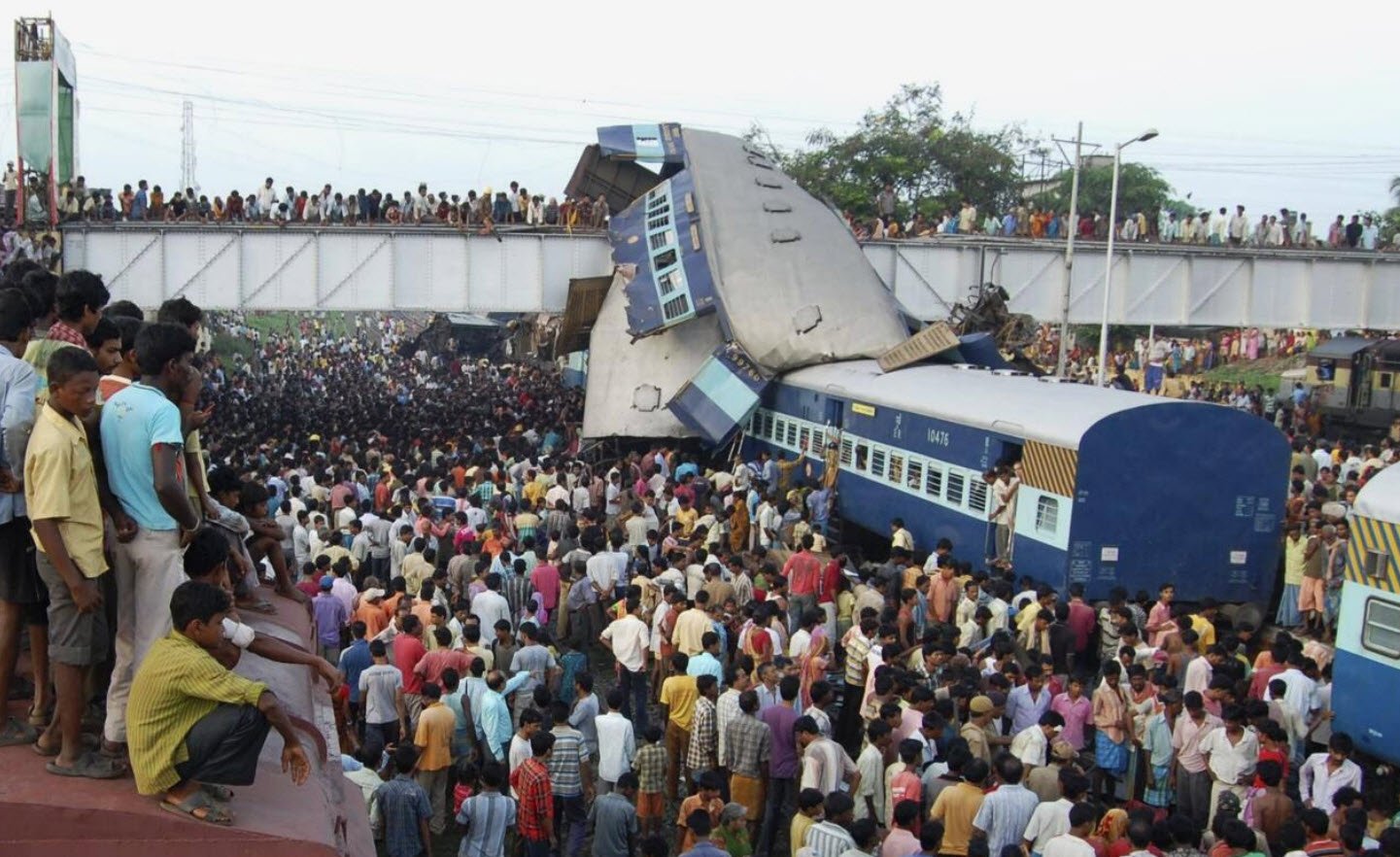
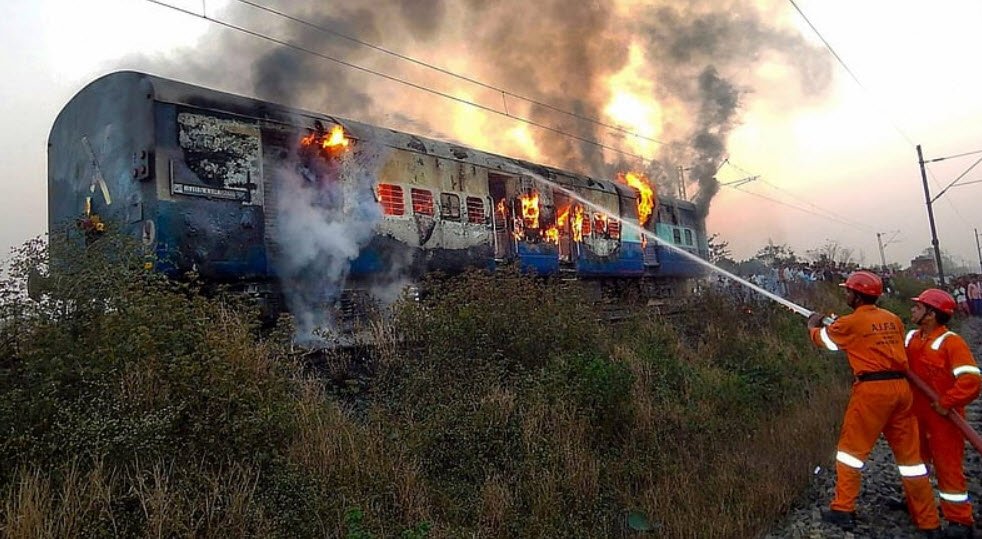
The head-on collision between the Avadh Assam Express and the Brahmaputra Mail at Gaisal in West Bengal resulted in 285 fatalities. This accident, too, was attributed to a signalling failure, highlighting systemic issues in manual and semi-automatic signalling systems that were still prevalent at the time.
4. Bihar River Tragedy (6 June 1981)
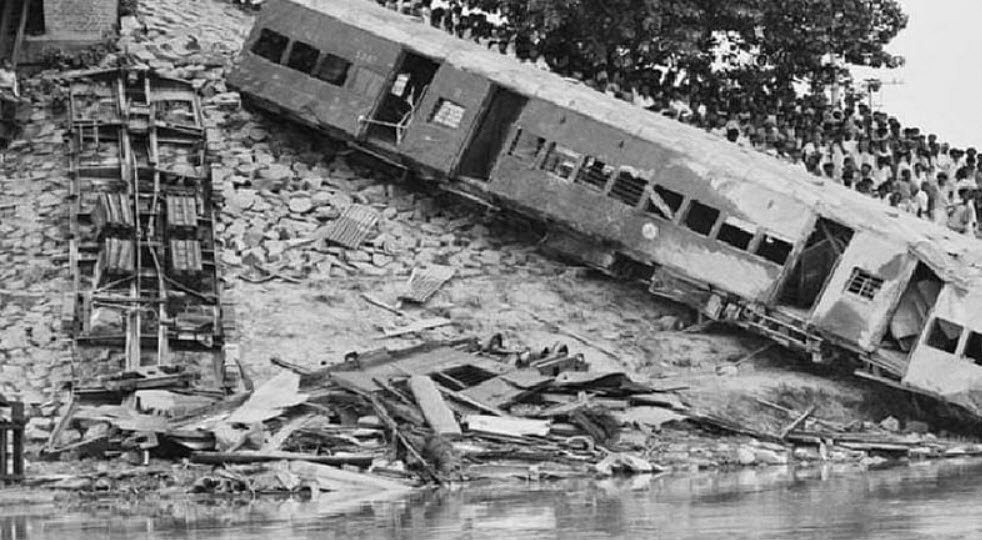
One of the most haunting accidents occurred when the Mansi–Saharsa Passenger train derailed while crossing a bridge over the Bagmati River near Mansi, Bihar.
At least 235 people lost their lives after the train plunged into flood-swollen waters. The derailment was possibly triggered by a tropical cyclone, underscoring the vulnerability of rail infrastructure to extreme weather events.
5. Khanna Rail Collision (26 November 1998)
The collision between the Frontier Mail and the Jammu Tawi–Sealdah Express near Khanna, Punjab, killed 212 passengers.
The cause was traced to a damaged rail, emphasizing the critical importance of regular track inspection, predictive maintenance, and timely replacement of ageing infrastructure.
6. Dhanushkodi Cyclone Disaster (23 December 1964)
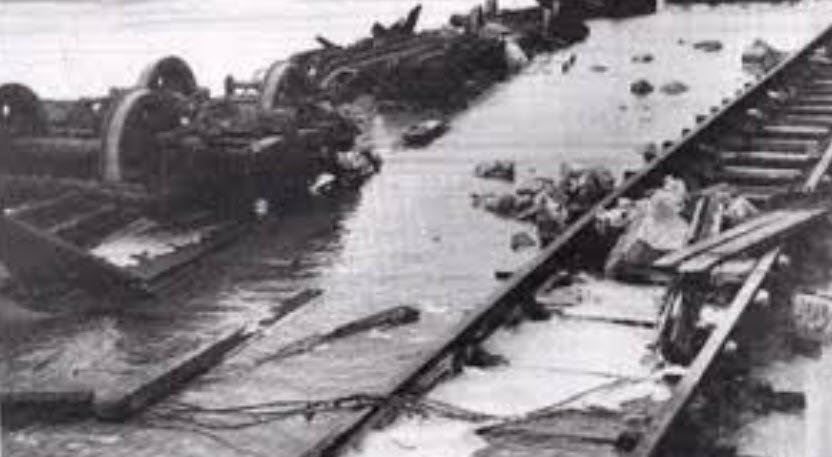
In one of India’s worst natural-disaster-related rail tragedies, the Pamban–Dhanushkodi Passenger train was swept away by a storm surge caused by a powerful tropical cyclone in Tamil Nadu.
With over 200 fatalities, the disaster erased the town of Dhanushkodi from the map and led to major changes in how coastal rail infrastructure is planned and protected.
7. Indore - Patna Express Derailment (20 November 2016)
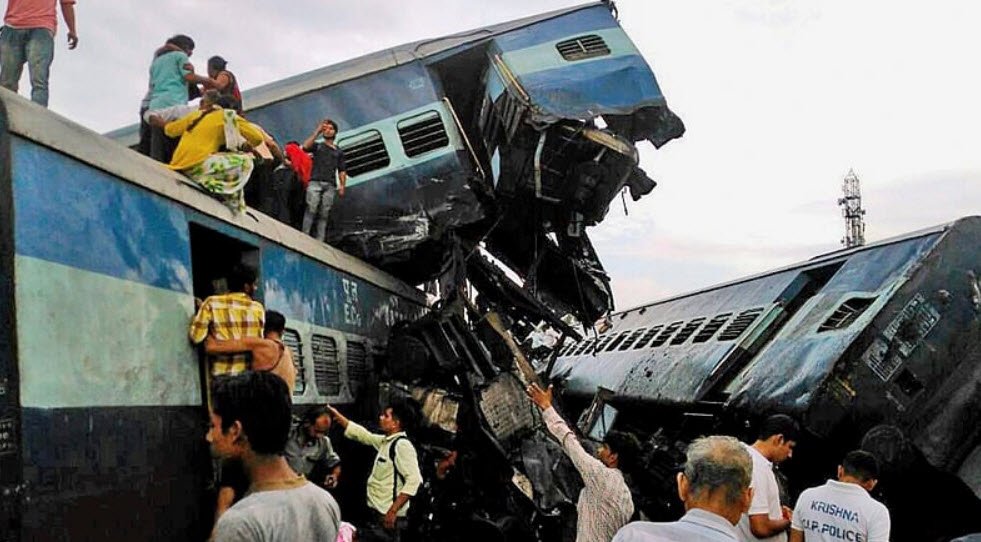
The derailment of the Indore - Patna Express near Pukhrayan, Kanpur, Uttar Pradesh, resulted in around 150 deaths.
The cause was identified as a fractured rail, once again pointing to metal fatigue and the urgent need for ultrasonic testing and modern track-monitoring technologies.
8. Jnaneswari Express Sabotage (28 May 2010)
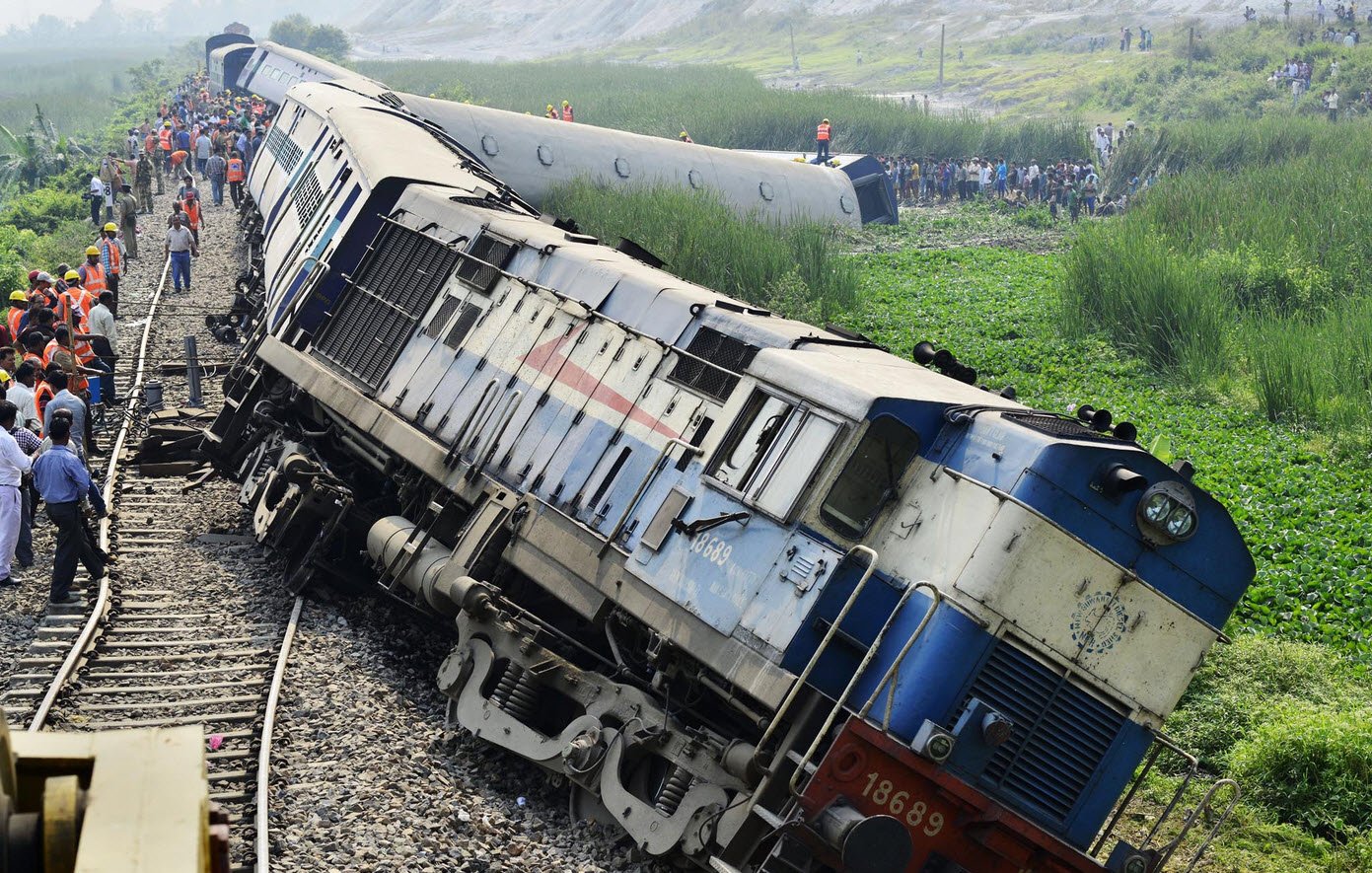
The Jnaneswari Express was derailed near Jhargram, West Bengal, after alleged sabotage by Naxalites, followed by a collision with a goods train. With over 148 deaths, this incident highlighted the security challenges faced by Indian Railways in insurgency-affected regions.
9. Howrah Rajdhani Express Derailment (10 September 2002)
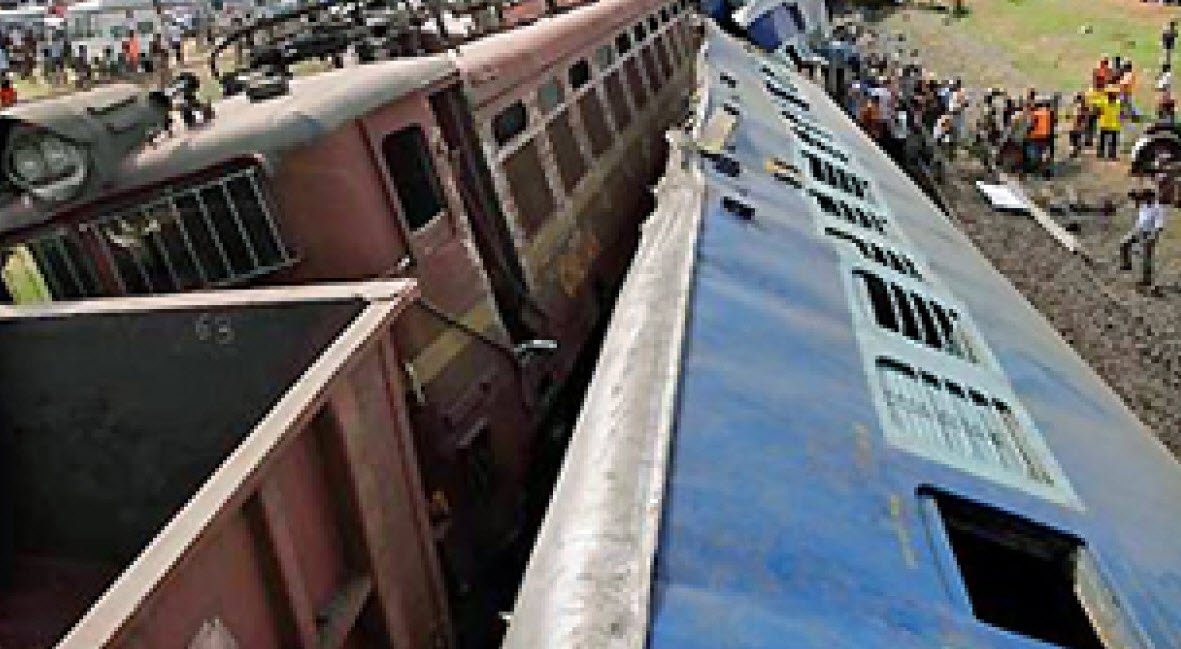
The derailment of the prestigious Howrah Rajdhani Express over the Dhave River near Rafiganj, Bihar, killed more than 130 people. Investigations confirmed sabotage by Naxalites, reinforcing the need for intelligence coordination and track surveillance in sensitive areas.
Conclusion
Each of these accidents represents not just a statistic, but hundreds of lost lives and devastated families. Collectively, they pushed Indian Railways toward major reforms—better signalling systems, anti-collision technologies, improved disaster response, enhanced track maintenance, and stronger security measures.
While safety standards have improved significantly over the decades, these incidents serve as stark reminders that continuous vigilance, investment, and modernization are essential to prevent history from repeating itself.

Recent Posts

Gautam Adani Reclaims India’s Richest Person Title, Surpasses Mukesh Ambani

Semicon 2.0: India's ₹1.27 Lakh Crore Semiconductor Expansion Plan

What's the Best eSIM for India? Comparing Providers
India to Build 100 Airports in the Next 10 Years with ₹30,000 Crore Investment

Serengeti Safari & Kilimanjaro Climbing: The Complete Tanzania Adventure Guide for Choosing Routes, Costs, Seasons and Safari Experiences

10 Smart Ways To Save Money While Traveling In India

Discover Eastern Nepal: Nepal's Most Underrated Trekking Region
Everest Three High Pass Trek vs Gokyo Lake Trek: Route, Difficulty, Cost & Choosing a Trekking Company in Nepal
India Plans to Build World’s Highest Cricket Stadium in Ladakh at 11,800 Feet