
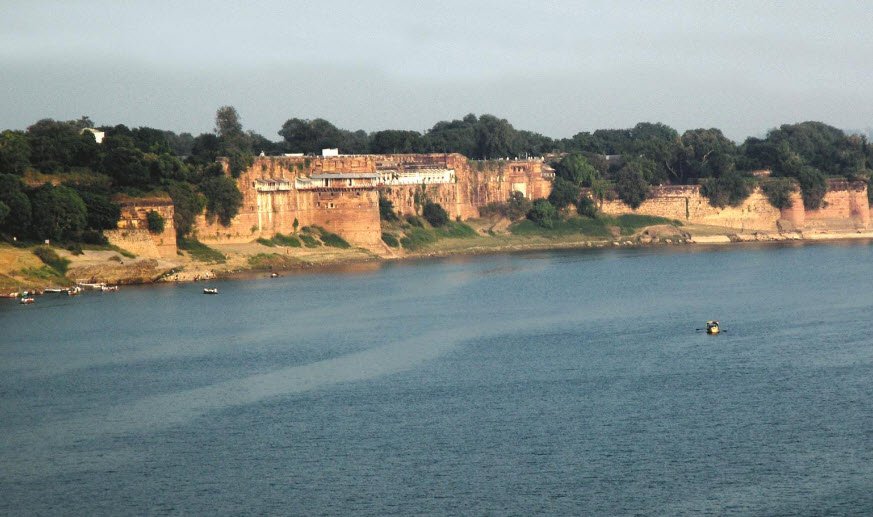
Allahabad Fort
Fort
Allahabad Fort
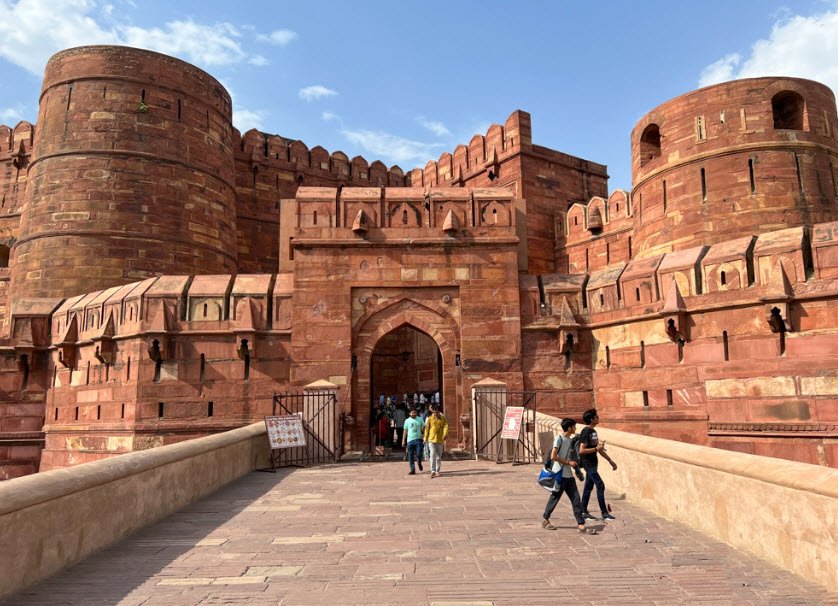
Allahabad Fort, built in 1583 by Mughal Emperor Akbar, is a massive historic fort located on the banks of the Yamuna River near the sacred confluence with the Ganges in Allahabad (now Prayagraj), Uttar Pradesh. It stands as the largest fort constructed by Akbar and is notable for its impressive design with three galleries and high towers.
The fort houses several significant structures including the Ashoka Pillar from the 3rd century BC, the Patalpuri Temple believed to be connected to mythology, and the Akshayavat or “immortal tree,” which holds special religious importance.
The fort has witnessed many historical events and rulers, including the British East India Company and Mughal princes. Today, parts of the fort are used by the army, but it remains a revered heritage site representing Mughal architecture and India's rich history.
Nearby Places
Explore places near you
Hastinapur Wildlife Sanctuary
Meerut
Dream World Amusement Park
Lucknow
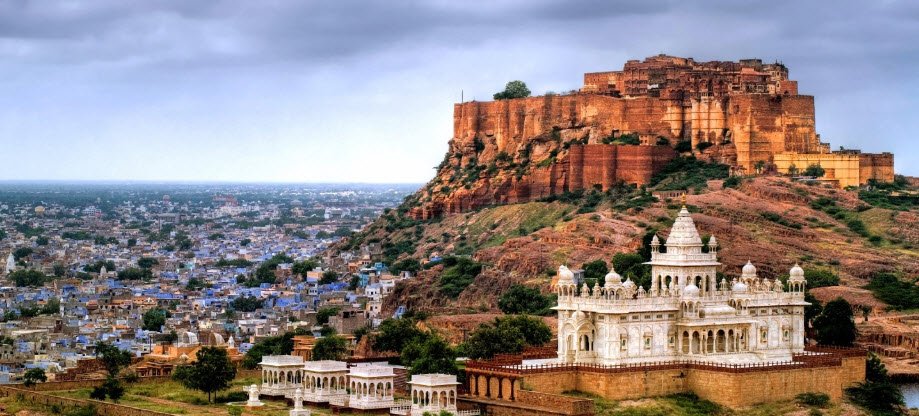
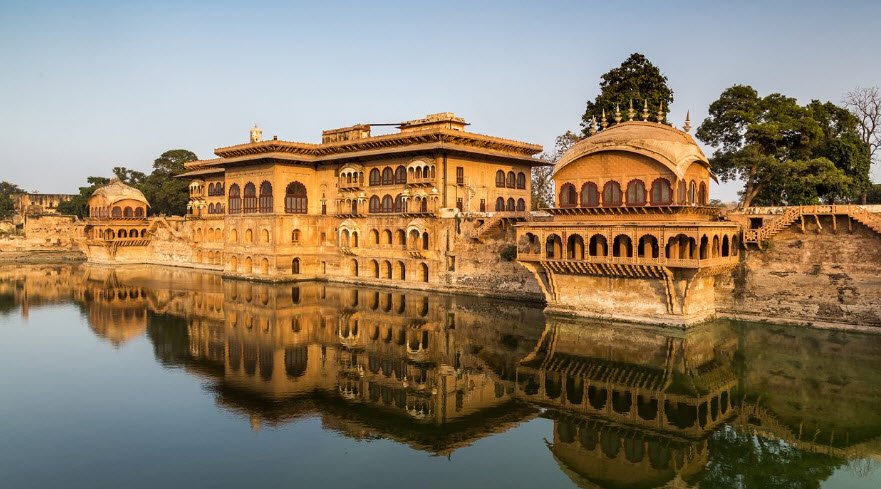
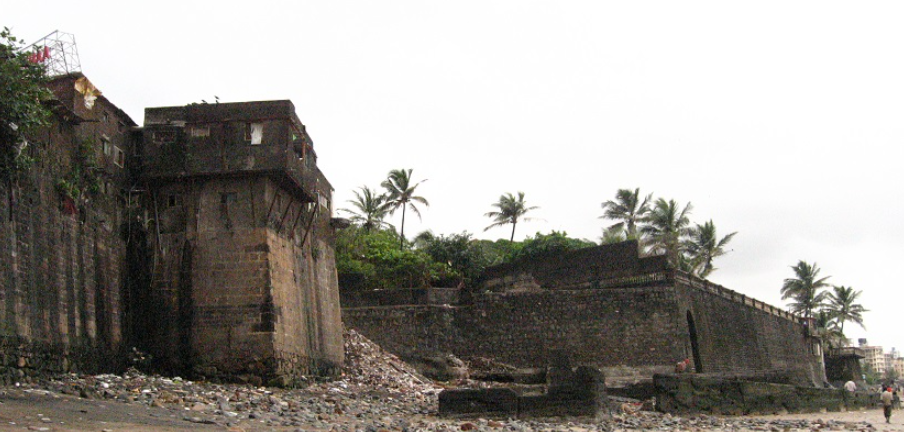
Picture Gallery
Lucknow
Mahaveer Swami Wildlife Sanctuary
Lalitpur
All Saints' Cathedral - Prayagraj
Allahabad
New Nice Marble Art and Handicrafts
Agra
Kuchesar Fort
Bulandshahr
Hatkant Fort, Agra
Agra
Swarn Jayanti Park
Ghaziabad
Master Chandgiram Sports Stadium (Hockey)
Etawah

FAQ (Frequently Asked Questions)
Allahabad Fort is located in Allahabad, Uttar Pradesh.
The fort was built by Mughal Emperor Akbar in 1583 CE to strengthen Mughal control over the strategically important confluence of the Ganga and Yamuna rivers.
The visitor-accessible areas of the fort are generally open from 7:00 AM to 6:00 PM every day. Since a large portion of the fort is occupied by the Indian Army, visitor access is limited to designated sections.
The Ashoka Pillar is a polished sandstone pillar dating back to the 3rd century BCE, originally erected by Emperor Ashoka. It bears inscriptions from Emperor Ashoka, Emperor Samudragupta, and Mughal Emperor Jahangir, making it one of India's most significant historical monuments.
The fort played an important role during the Mughal period and later under British rule. Its strategic location at the confluence of major rivers made it one of North India's most significant military fortifications.
It is approximately 7 km from Prayagraj Junction Railway Station.










Leave a comment