The Simple Backpack Habit That Makes Trekking Easier
The Simple Backpack Habit That Makes Trekking Easier
Posted on: 29 September 2026 | Published by: Himalayan Masters | Category: Travel
The simplest way to make trekking much easier is to give every item a fixed spot in your backpack and not go random.
Consider a scenario where you arrive at a teahouse after six hours of walking. The temperature has dropped, the wind is picking up, your fingers are going numb, and you cannot find your gloves while you’re shivering.
In such a moment, instead of digging through your whole backpack each time you need something, you reach for the pocket where it always is. Being able to immediately retrieve your gloves from their designated spot will provide comfort and relief.
This might seem obvious, but it matters most on longer routes such as the Annapurna Base Camp Trek, where you pack and unpack your bag almost every day.
This small organisation can save you a significant amount of time while trekking.
Give Everything Its Own Place
When preparing for a trip, determine where you will store the things you use regularly.
You might keep your water bottle in a side pocket. Have snacks within easy reach. Give your rain jacket its own outer pocket. Keep your phone, power bank, and other small items together in a secure compartment.
There is no right way to arrange things. The important part is being consistent.
Once you find a setup that works, stick to it. If your gloves start in the top pocket, put them back there after lunch. Keep sunscreen in a small compartment in the front of your car and put it back when you are not using it.
This way, you know where things are.
Keep the Things You Use Most Within Reach
Not all of what you carry in your backpack has to be easy to reach.
Some things you will use several times during a day of trekking. Water, snacks, sunscreen, sunglasses, camera, tissues, and an additional layer are frequently used.
These should not be buried under your clothes.
This also saves you from having to open your whole backpack again and again. On a long trekking day, that can get surprisingly annoying.
Your Backpack Does Not Need to Be Repacked Every Few Hours
One of the things people always do wrong is continually rearranging things.
You take out a jacket and put it back in a different place. You purchase snacks and put them in any empty pocket. You use your headlamp and throw it into the main compartment.
At the end of the day, it's all been rearranged.
Then you end up searching for things.
Rather, consider your backpack as its very own system. Keep each pocket for its designated use and put things where they belong when finished using them.
This is particularly useful in the morning when packing. You won't have to look back all night for your things.
Some Things Are Better Kept Together
It's easy to lose small things inside a backpack, particularly.
Small accessories such as cables, a power bank, lip balm, medicine and more can be lost among larger equipment.
A small pouch can help to keep them together to solve a lot of the problem.
This is the same for important documents and other items. Keep passports, permits, money, and other valuables in a secure, consistent place rather than moving them between pockets.
You should know where they are without having to think about it.
It Matters More When the Weather Changes
Great organisation can be even more beneficial when the weather turns.
When the rain suddenly starts to fall, you want your rain jacket to be easy to locate. If the temperature drops in the afternoon, you should not have to empty your backpack to find an extra layer.
The same applies to small items such as gloves, hats, sun cream, etc. which you may need suddenly.
Weather can change very rapidly in the mountains, and it's not just about convenience; it's about being prepared.
A Small Habit That Saves Time
There are numerous decisions to make when planning a trek. Where to stop for lunch, how much water to carry, when to add a layer, and how far you have to walk are all things to think about during the day. Knowing exactly where your gear is removes one small problem.
You don't have to buy the costliest backpack or multiple packing cubes. A system that you can remember and repeat is necessary.
Keep your water where you expect it. Keep snacks within easy reach. Have a rain kit on hand. Assign the small things a place of their own.
Then return all items to their proper places.
This will become automatic after a few days on the trail. You don't have to look around in your backpack; you just grab what you need and continue to walk.
Small but simple habits on a long trek are often what make the biggest difference.

Recent Posts
The Simple Backpack Habit That Makes Trekking Easier

Gautam Adani Reclaims India’s Richest Person Title, Surpasses Mukesh Ambani

Semicon 2.0: India's ₹1.27 Lakh Crore Semiconductor Expansion Plan
What's the Best eSIM for India? Comparing Providers
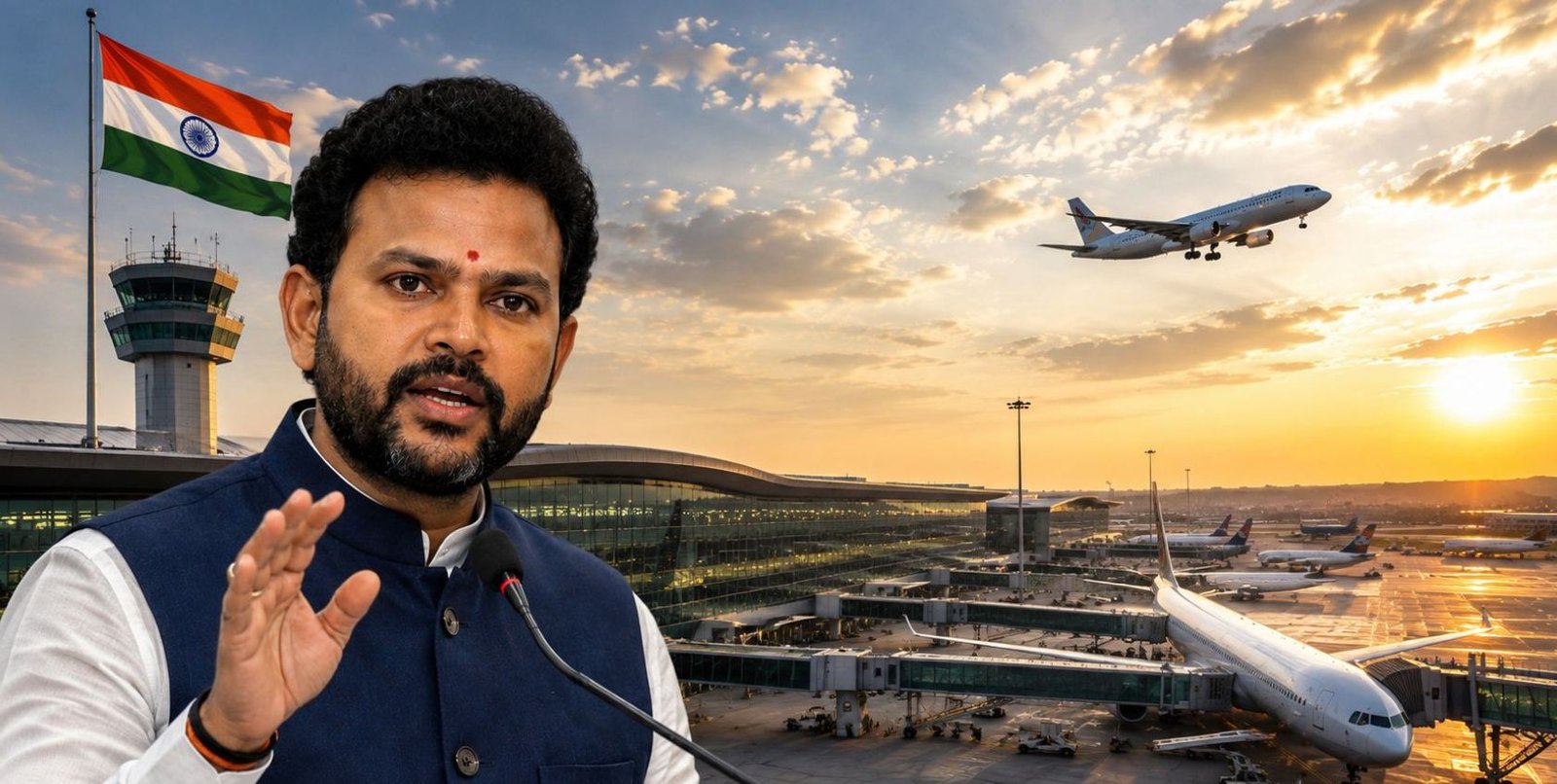
India to Build 100 Airports in the Next 10 Years with ₹30,000 Crore Investment
Serengeti Safari & Kilimanjaro Climbing: The Complete Tanzania Adventure Guide for Choosing Routes, Costs, Seasons and Safari Experiences
10 Smart Ways To Save Money While Traveling In India
Discover Eastern Nepal: Nepal's Most Underrated Trekking Region
Everest Three High Pass Trek vs Gokyo Lake Trek: Route, Difficulty, Cost & Choosing a Trekking Company in Nepal