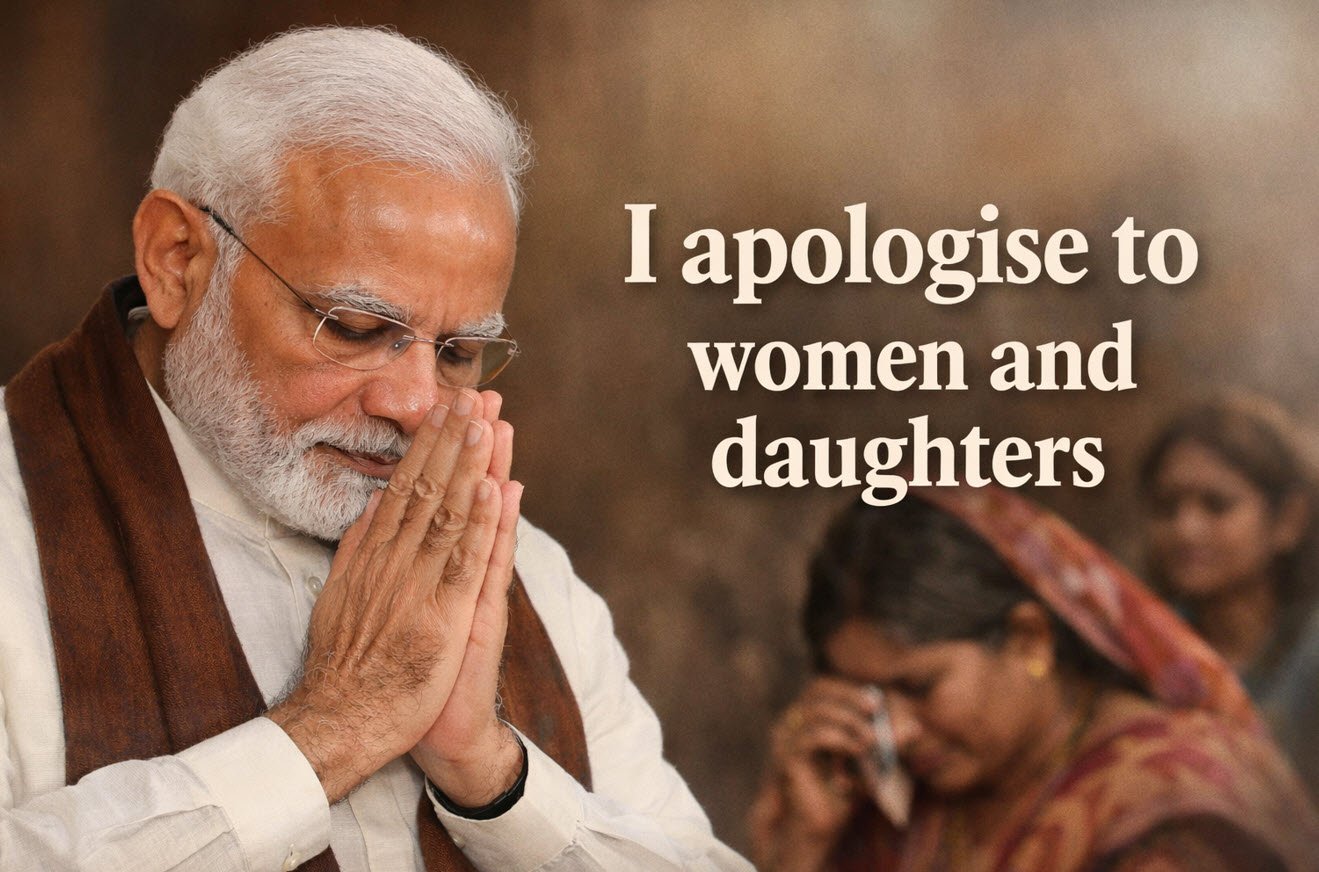
Women’s Quota Bill Defeated in Lok Sabha
Posted on: 20 April 2026 | Published by: Amit Kumar | Category: News
The much-anticipated Constitutional amendment bill seeking to reserve seats for women in Parliament and state assemblies was recently put to vote in the Lok Sabha. Despite extensive debates and strong advocacy from several political leaders and social activists, the bill failed to secure the required two-thirds majority, leading to its defeat.
This outcome has sparked widespread discussion across the country, as the bill was seen as a landmark step toward ensuring gender equality in Indian politics.
The bill aimed to introduce a quota for women, ensuring that a significant percentage of seats in legislative bodies would be reserved exclusively for female representatives. Supporters of the bill argued that such a measure was necessary to break the long-standing barriers that have kept women underrepresented in politics.
They highlighted that while women make up nearly half of India’s population, their presence in Parliament and state assemblies remains disproportionately low. By reserving seats, the bill sought to create a more balanced and inclusive political environment where women could actively participate in shaping laws and policies.
However, the voting outcome revealed deep divisions among lawmakers. While many members of Parliament supported the bill, a substantial number opposed it, citing concerns about its implementation and potential impact on political dynamics. Some argued that quotas could lead to tokenism, where women are included merely to fill reserved seats rather than being empowered to make meaningful contributions.
Others expressed fears that the bill might disrupt existing political equations, leading to resistance from parties unwilling to alter their candidate selection processes.
The defeat of the bill has been described by supporters as a missed opportunity for India to take a bold step toward gender equality. Women’s rights groups and activists expressed disappointment, emphasizing that the rejection reflects the challenges women continue to face in gaining equal representation.
They pointed out that without structural reforms like quotas, progress toward gender parity in politics will remain slow and uncertain.
On the other hand, opponents of the bill maintained that while the goal of empowering women is important, quotas may not be the best solution. They suggested alternative measures such as strengthening education, providing leadership training, and encouraging political parties to voluntarily field more female candidates. According to them, these approaches would create a more organic path to women’s empowerment without relying on mandated reservations.
The debate around the bill also highlighted broader questions about the nature of representation in a democracy. Should representation be based purely on merit and electoral competition, or should structural interventions be introduced to correct historical imbalances? This question remains at the heart of the discussion, with strong arguments on both sides.
The immediate consequence of the bill’s defeat is that the issue of women’s reservation in Parliament and state assemblies remains unresolved. While the rejection is a setback, many believe that the conversation is far from over. Political analysts suggest that the bill could be reintroduced in the future, especially if public pressure grows stronger.
The outcome of this vote may also influence upcoming elections, as parties could face demands from voters to take clearer positions on women’s representation.
For now, the defeat serves as a reminder of the complexities involved in passing constitutional amendments in India. Achieving a two-thirds majority requires broad consensus across party lines, which is often difficult to secure on contentious issues. The women’s quota bill, despite its noble intentions, could not overcome these political hurdles.
In simple terms, the bill was meant to give women more seats in Parliament and assemblies. It needed two-thirds support but did not get it, so it was rejected. This leaves the question of women’s representation in politics still open, with the hope that future efforts may succeed in bringing about meaningful change.
The debate has underscored the importance of continuing to push for reforms that promote gender equality.
The defeat of the bill may be a setback, but it also serves as a call to action for policymakers, activists, and citizens to keep the issue alive and work toward a more inclusive political future.

Recent Posts
Why the CJP Protest Struggled to Gain Momentum: What Is Known So Far
Noida Airport Renamed as Narendra Modi International Airport After UP Cabinet Approval

Elon Musk Questions India’s Starlink Delay, Asks: “Is Ambani the Real Boss of India?”

Hidden Waterfalls to Discover in Meghalaya

The Simple Backpack Habit That Makes Trekking Easier

10 Best Places to Visit in India During Autumn for Unforgettable Views

Gautam Adani Reclaims India’s Richest Person Title, Surpasses Mukesh Ambani
Semicon 2.0: India's ₹1.27 Lakh Crore Semiconductor Expansion Plan

What's the Best eSIM for India? Comparing Providers