10 Metropolitan Cities in India with Population and Features
Posted on: 31 May 2025 | Published by: Amit Kumar | Category: India
India is home to a number of bustling metropolitan cities that serve as economic, cultural, and political hubs. These cities are not only known for their large populations but also for their advanced infrastructure, educational institutions, employment opportunities, and vibrant lifestyles.
In this article, we explore the major metropolitan cities in India, their estimated populations, and key features that define them.
What is a Metropolitan City?
A metropolitan city in India refers to a large city with a population of over 1 million, as per the Census of India. These cities often form part of a larger urban agglomeration and serve as central nodes in terms of governance, commerce, transportation, and urban development.
List of Major Metropolitan Cities in India
Below is a list of the key metropolitan cities in India along with their estimated populations (based on the latest data projections) and distinctive features:
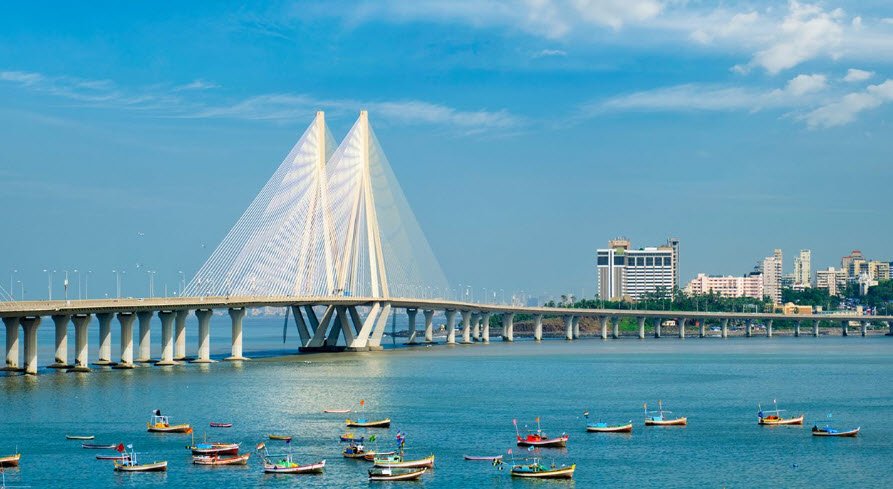
1. Mumbai, Maharashtra
Population: \~20 million (Metropolitan Region)
Features:
- Financial capital of India
- Headquarters of major banks and stock exchanges (BSE, NSE)
- Bollywood film industry hub
- Home to the country’s busiest port and airport
2. Delhi (NCT)
Population: \~19 million
Features:
- Capital of India
- Administrative and political center
- Rich historical heritage (Red Fort, Qutub Minar, India Gate)
- Major hub for education and government institutions
.jpg)
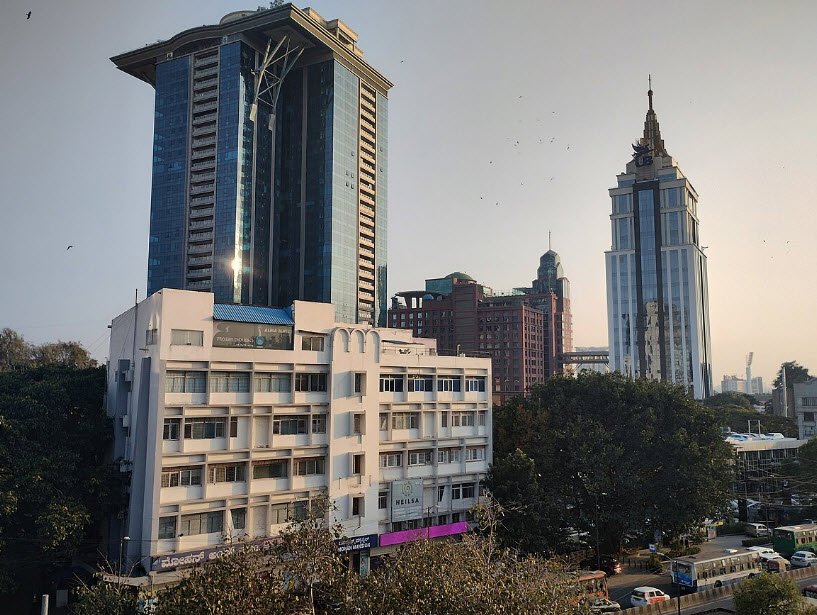
3. Bengaluru, Karnataka
Population: \~13 million
Features:
- Known as the "Silicon Valley of India"
- IT and software industry hotspot
- Pleasant climate and cosmopolitan culture
- Base for top Indian startups and multinational companies
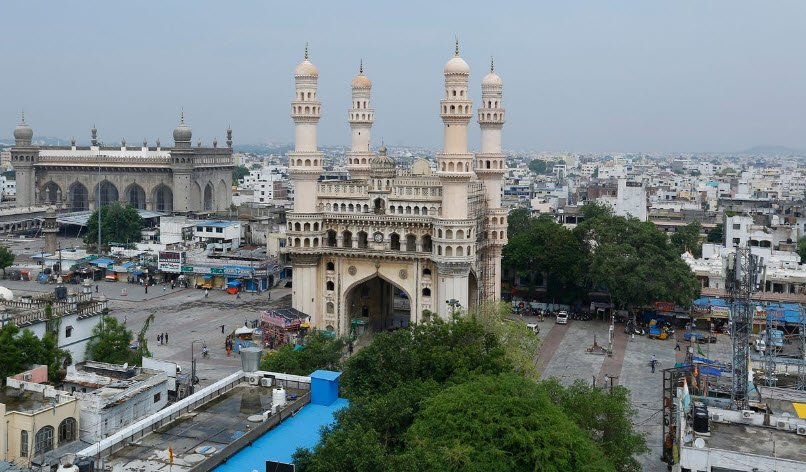
4. Hyderabad, Telangana
Population: \~10 million
Features:
- Major IT and pharmaceutical hub
- Charminar and historic old city
- Known for its biryani and Hyderabadi culture
- Rapidly growing metro infrastructure
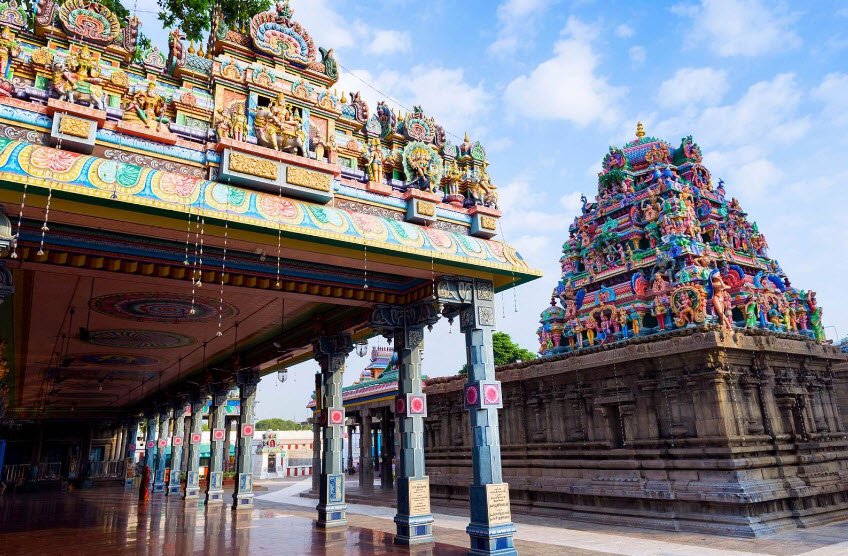
5. Chennai, Tamil Nadu
Population: \~11 million
Features:
- Major port city with industrial base
- Automobile and electronics manufacturing hub
- Rich cultural traditions in dance, music, and temple architecture
- Educational and healthcare center
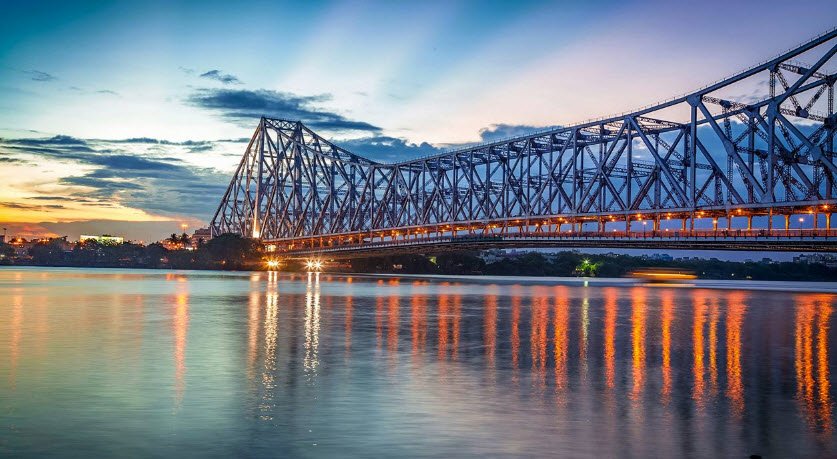
6. Kolkata, West Bengal
Population: \~14 million (Metropolitan Area)
Features:
- Cultural capital of India
- Colonial-era architecture and literary history
- Important port city and commercial center in Eastern India
- Home to major universities and artistic institutions
7. Pune, Maharashtra
Population: \~7 million
Features:
- Education and IT hub
- Known for its growing startup ecosystem
- Blend of modern development and Maratha heritage
- Close proximity to Mumbai
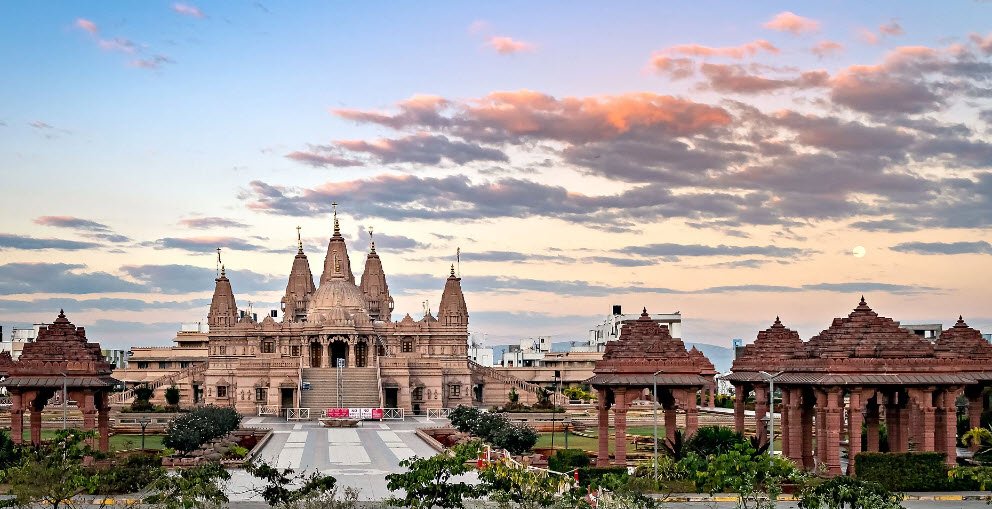
8. Ahmedabad, Gujarat
Population: \~8 million
Features:
- Major textile and industrial hub
- First UNESCO World Heritage City in India
- Fast-growing real estate and infrastructure
- Significant commercial and educational institutions
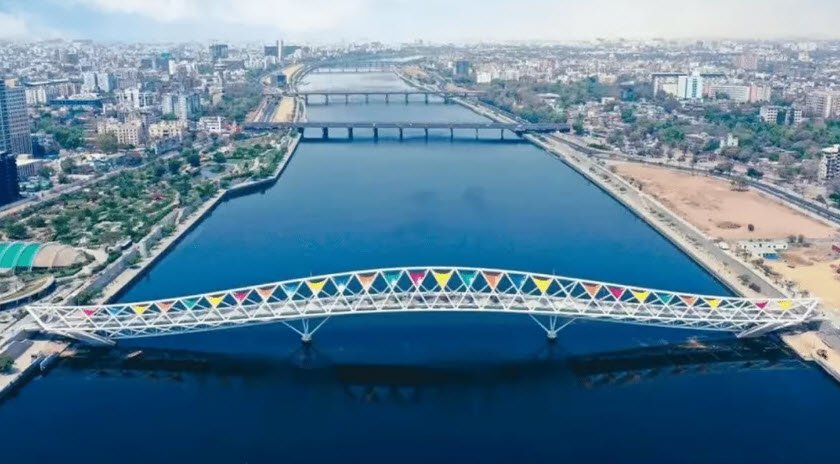
9. Surat, Gujarat
Population: \~7 million
Features:
- Famous for diamond cutting and textile industries
- One of the fastest-growing cities globally
- Clean city with high standards of living
- Well-planned infrastructure
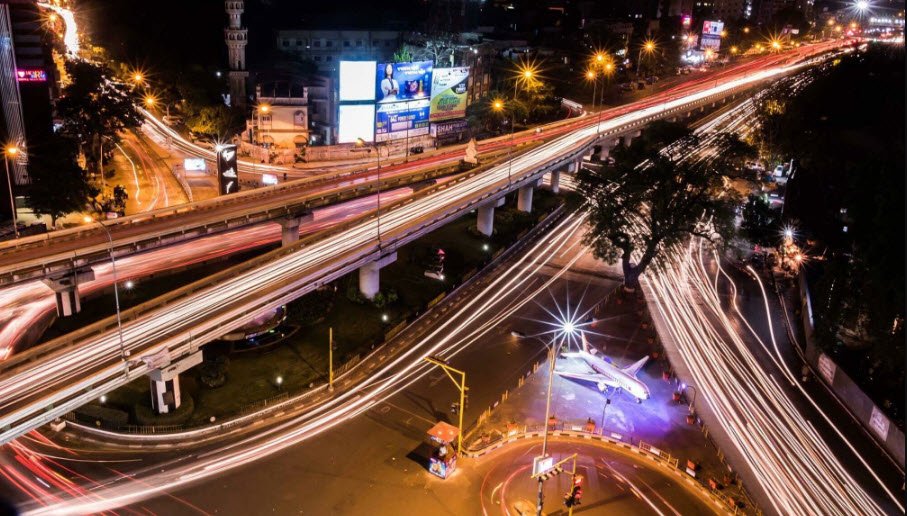
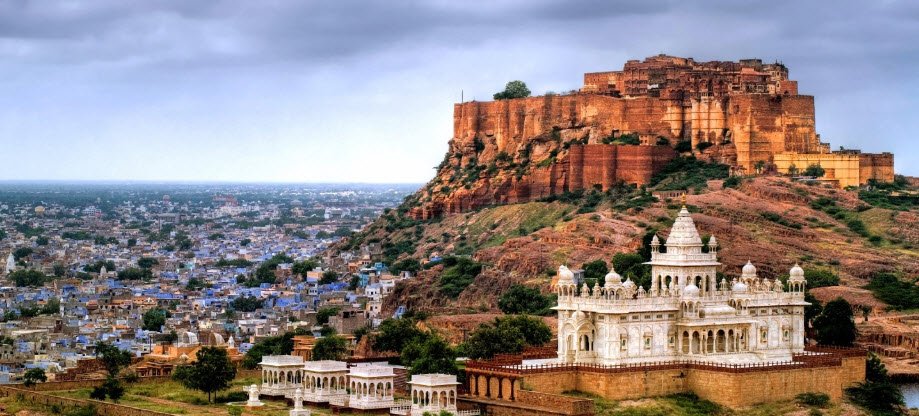
10. Jaipur, Rajasthan
Population: \~4 million
Features:
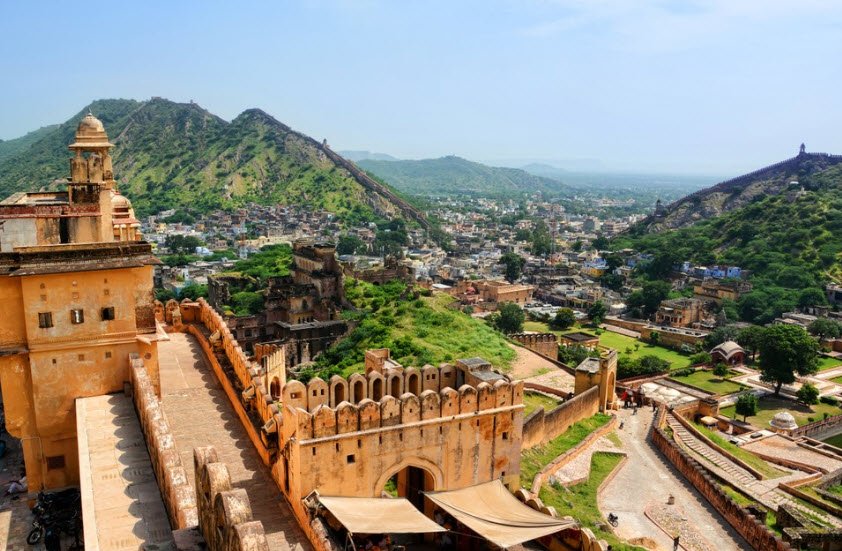
- Known as the "Pink City"
- Popular tourist destination with forts and palaces
- Rapid urbanization and industrial growth
- Emerging IT and education sectors
Conclusion
Metropolitan cities in India reflect the country's diversity, dynamism, and development. From Mumbai's bustling finance sector to Bengaluru's booming IT parks and Kolkata's cultural depth, each city offers a unique blend of tradition and modernity.
As these metros continue to expand, sustainable development and smart planning will be key to shaping the future of urban India.

Recent Posts
Why the CJP Protest Struggled to Gain Momentum: What Is Known So Far
Noida Airport Renamed as Narendra Modi International Airport After UP Cabinet Approval
Elon Musk Questions India’s Starlink Delay, Asks: “Is Ambani the Real Boss of India?”
Hidden Waterfalls to Discover in Meghalaya
The Simple Backpack Habit That Makes Trekking Easier
10 Best Places to Visit in India During Autumn for Unforgettable Views
Gautam Adani Reclaims India’s Richest Person Title, Surpasses Mukesh Ambani
Semicon 2.0: India's ₹1.27 Lakh Crore Semiconductor Expansion Plan
What's the Best eSIM for India? Comparing Providers